Most POTS workups look to confirm a label. Ours is built to explain the driver.
You may be familiar with what is conventionally standard in autonomic testing: HR/BP, labs, maybe a tilt table test. While that is helpful to rule problems out and validate patients with a label, it is often not enough to answer the questions that actually matter.
Data Callout
69% of POTS patients are initially misdiagnosed with anxiety. Why? Because when doctors only measure arm-cuff vitals, a racing heart looks like anxiety — so they stop looking, and nobody measures the failures happening inside the brain.
It starts with a consultation.
Before booking your visit, schedule a free phone consultation with a Keiser Clinic physician. They'll listen to your story, answer your questions, and tell you plainly whether coming in makes sense for your situation.
—No false hopes — if it's not a match, you'll know after this call
—Free — no cost to speak with a doctor
What You Can Expect From Diagnostic Testing With Us
A mechanism-focused evaluation that goes beyond "your heart rate rises when you stand."
Our diagnostic workup brings cutting edge methods used in leading dysautonomia research labs, but most advanced autonomic centers still don't have them in routine practice. We do — and we use these methods with every patient.
We know what it feels like to be on the other side of this.
Several of our doctors have been patients or caregivers themselves. They know what it feels like to be dismissed and sent home with no answers. When you become a patient here, you have a care team of doctors who understand where you've been — and what it actually takes to get better.
Targeted Neuroplasticity
Your treatment plan doesn't exist until your data does.
Your rehabilitation is not a program that existed before you walked in the door. Nothing is prescribed before we know exactly where the failure is and what's driving it. Instead of guessing with off-label medications, we prescribe an individualized neurological treatment — dose-specific to your needs.
We know POTS is nuanced.
Whether you're neuropathic, hyperadrenergic, or hypovolemic — we strip away the labels and identify the mechanism that's failing in you specifically, so that we can treat the actual problem rather than the presentation of it. Read about the three types of POTS and what drives each one.
Your racing heart is not the problem.
It's your body's best attempt to solve one. When the brain isn't getting enough blood, the heart races to compensate. That's not disease, that's adaptation — we restore the brain's ability to control its own blood supply, so the heart no longer needs to compensate. Why your heart races when you stand — and what it actually means.
We objectively measure progress.
Subjective improvement can be placebo or temporary. We don't just rely on how you feel to measure progress. We retest you objectively throughout your visit, comparing data points to verify real measurable improvement.
After you leave.
Virtual follow-up is included in your visit. Your protocols go home with you. We check in, answer questions, and make sure you stay consistent with what's working — until you no longer need us.
Most patients who come to us carry more than one of these diagnoses. These pages exist because that is often how people find us, not because we treat each diagnosis on a separate track. Our testing measures what your brain and nervous system are actually doing. The label you arrive with does not change that.
"Standard treatment has a ceiling. We work above it — in the brain."
Some of what you may be prescribed during your visit
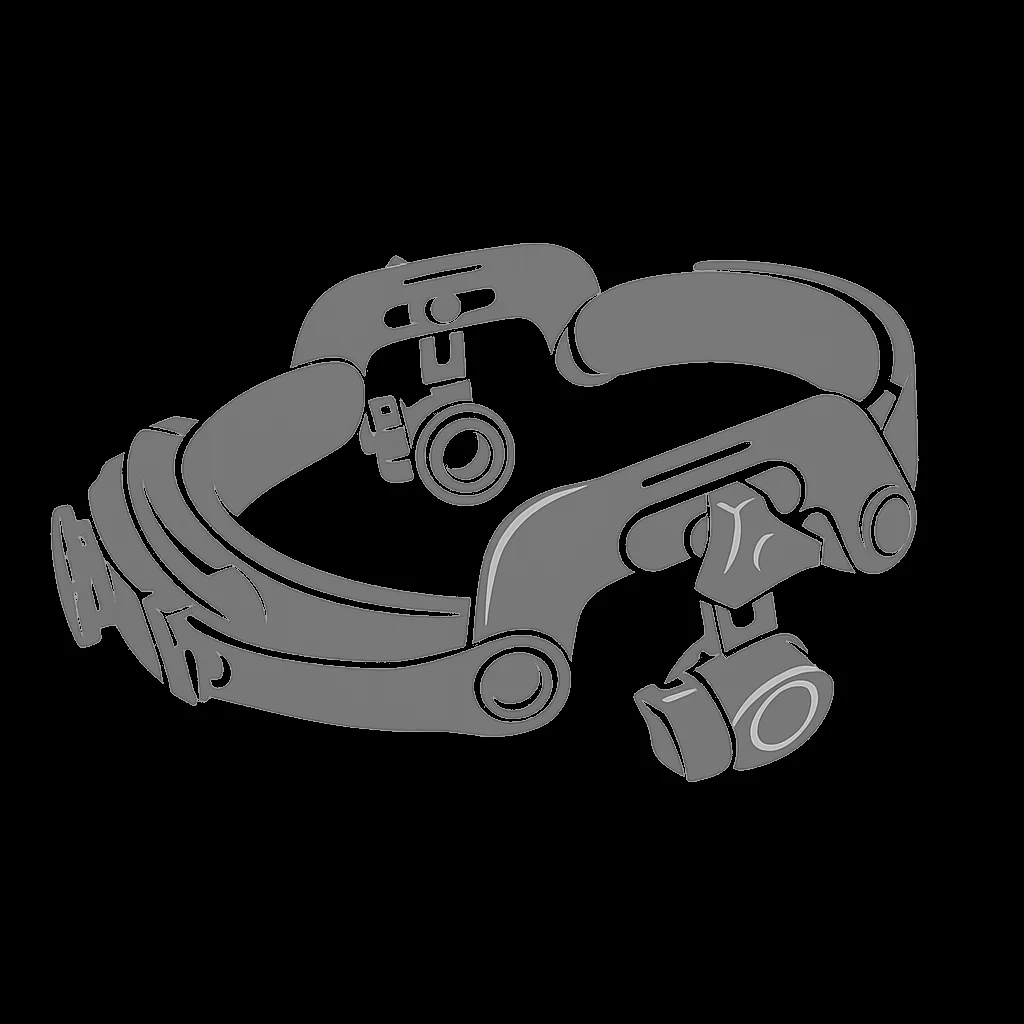
Targets the visual control systems that stabilize gaze and helps the brain build a more accurate map of the body in space. This can reduce neurostrain, disorientation, overload, and instability under cognitive and sensory load.
Rebuilds cleaner movement patterns so activity becomes more tolerable and less likely to trigger compensation, overload, or crash responses.
Cognitive & Dual-Task Training
Challenges the brain's ability to regulate under mental load, helping improve function when symptoms flare with thinking, multitasking, or divided attention.
Uses red light and laser therapy to support tissue recovery, reduce irritation, and complement neurological rehabilitation in areas that need targeted stimulation.
Targeted neurological dosages — precisely calibrated vestibular, oculomotor, and proprioceptive therapies to drive neuroplastic restoration
Primary Metric
Systemic vitals (HR/BP) as proxy for autonomic health
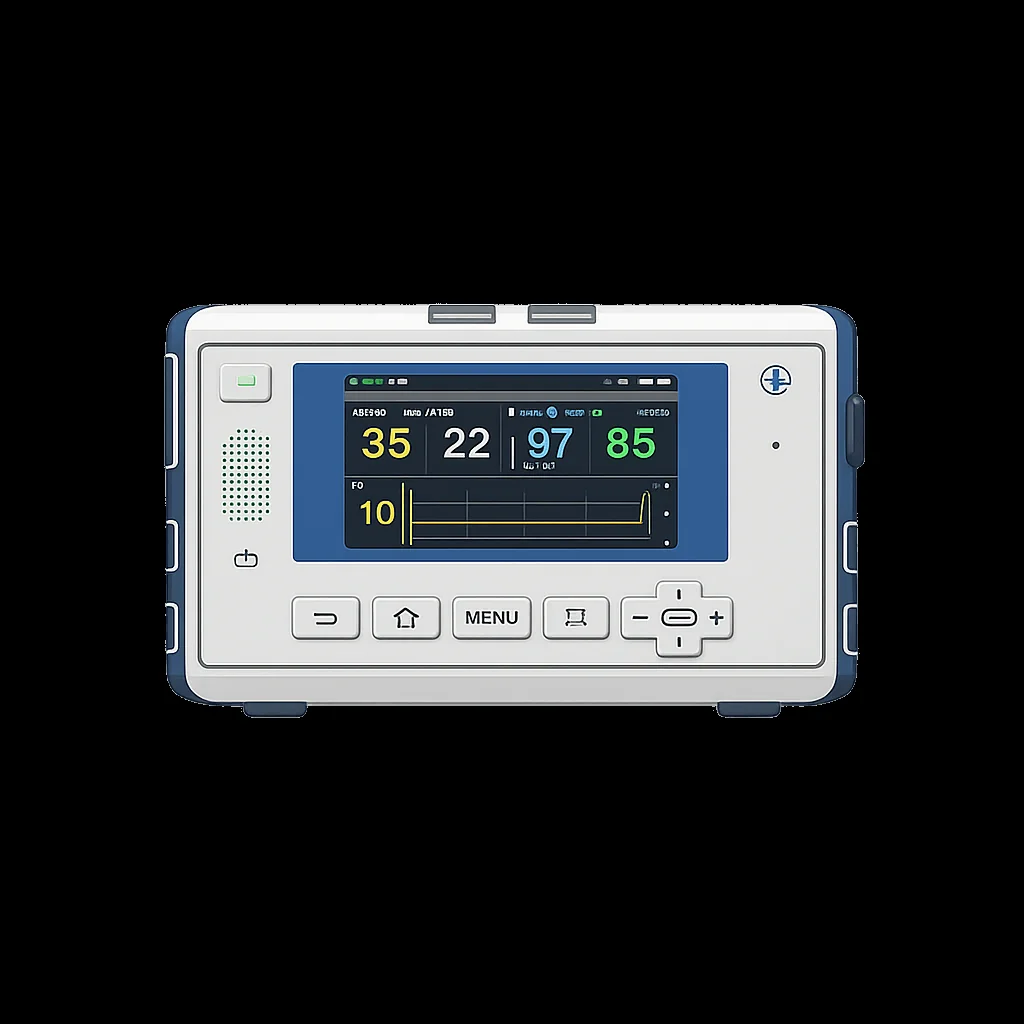
Cerebral blood flow velocity + EtCO₂ — measuring what the brain is actually receiving, in addition to HR/BP.
Progress Tracking
Patient self-report, symptoms
Objective retesting — if the data does not change, the protocol does
Breathing
Breathwork for relaxation. Looks at O₂ only, ignores CO₂
CO₂ monitoring is a core diagnostic and treatment tool — it strongly influences cerebral blood flow and symptom generation.
Doctor Access
15–45 minute specialist visits spaced months apart, often after long waitlists — leaving long gaps in feedback, and little room for real-time adjustment.
Multiple hours a day with a full clinical team during your stay, allowing rapid iteration, daily refinement, and direct follow-up after you leave.
How It Works
Commit only to the first day. Stay as long as you need.
We intentionally see a small number of patients each week. When you're here, you have a full clinical team — not a waiting room, not a rotating roster of one-off appointments.
Most patients stay two to three weeks. Some stay longer. But when you arrive, the only thing you commit to upfront is that first day of diagnostic testing. What comes after is your decision.
We don't run a copy-and-paste POTS rehabilitation program. We become your care team and design a protocol specific to you.
Typical time to be seen. Most autonomic centers have waitlists measured in years, not weeks.
No Supplements
We do not build your care around supplement protocols. By the time most patients reach us, they have already tried that.
The First Day
Your only commitment. You will leave with the most comprehensive neurovascular evaluation available for POTS — regardless of what you decide next.
Common Questions
Before you reach out, you probably have questions.
Yes. It's 15 minutes with one of our physicians. No cost, no obligation. We use it to determine if our approach matches your situation.
Whether you've seen a local cardiologist or traveled to one of the major dysautonomia hospitals, the protocol is often still built around the same basic framework. Standard POTS workups are designed to confirm the diagnosis and manage the presentation, not to fully investigate the mechanism driving it. Our evaluation asks a different set of questions. Instead of stopping at whether you have "POTS," we measure how blood flow to the brain is being regulated under stress, and whether neurological, visual, vestibular, cervical, or other upstream factors are contributing to the breakdown. If you've spent years trying medications, lifestyle changes, and supplements without resolution, exploring these contributors might be the very thing that gets you back to living your life.
Not at the beginning. The first phase of care has to happen in person, because we do not build treatment plans from symptoms, diagnostic labels, or guesswork. We need objective testing and in-person treatment to understand what is driving your symptoms and to see how your system responds in real time. Once that work is done, post-visit virtual follow-up is included in your care.
That is one of the most common concerns we hear, especially from patients who have been mostly housebound or bedridden. Many of our patients were convinced they were too unwell to make the trip — right up until they arrived. Our team can help you think through the logistics, timing, and lodging options that make the visit as manageable as possible. Our clinic is set up to meet you where you are — with rest breaks, recliners, and a pace that accounts for the reality of your condition.
We're out of network for most insurance. Many patients use HSA/FSA funds, and we provide superbills for potential reimbursement. We've chosen this model because we don't want your care limited by what insurance allows.
The total cost depends on how long you stay and what level of treatment makes sense once your findings are clear. That is exactly why we start with a free consultation. Once we understand your specific situation, we will give you a clear, straightforward breakdown of the costs before you commit to anything.
No. You can book directly.
We will be honest with you. By the time most people find us, they have already been through a lot — physically, emotionally, and financially. The last thing they need is another clinic giving them false hope. If we do not believe our approach is the right fit, we will tell you plainly. And when possible, we will try to help you leave with more clarity than you came in with.
Want to hear directly from patients who've been through this?
A Keiser Clinic physician will listen to your story, answer your questions, and tell you plainly whether coming in makes sense for your situation. No pressure. No false hopes.