Educational articles about neurological conditions and what actually works
Written by our team to help you understand complex neurological conditions and our diagnostic approach.


Written by our team to help you understand complex neurological conditions and our diagnostic approach.
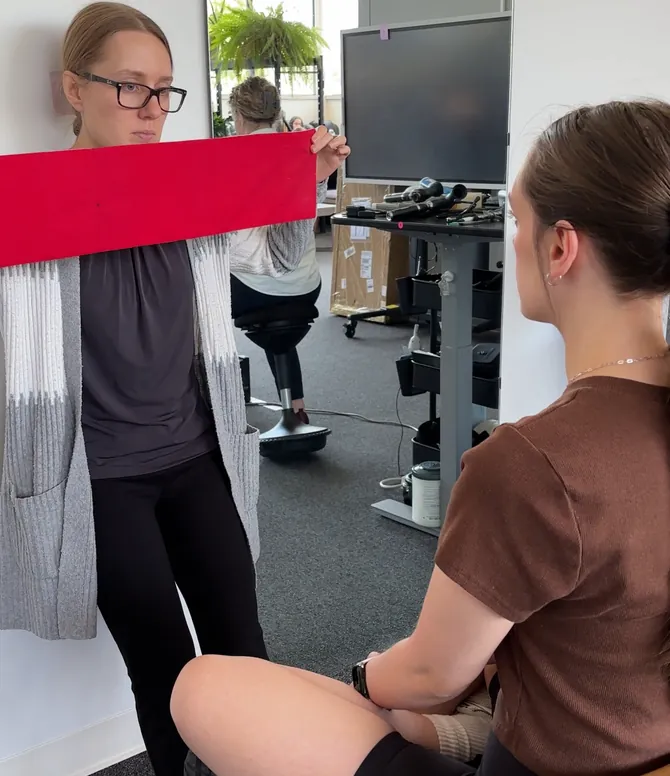
Your POTS diagnosis told you what's happening. It didn't tell you why. Understanding the difference is the key to actually getting better.
Read Article

How much salt and water actually helps POTS, where the 2 to 3 liter advice stops working, and the signs your real problem is blood distribution.

What causes the high heart rate in POTS? The heart speeds up to rescue blood flow to your brain. Why it happens, what beta blockers reveal and what to measure.

The bedside neurological exam our team pairs with autonomic testing: pulses, reflexes, eye movements, and what each reveals about POTS and dysautonomia.

For most people with POTS, low blood volume is not the core problem. Here is why salt and water hit a ceiling, and what fluid dumping really means.

Can POTS be cured? Many recover significantly or fully. 'Cure' means recalibrating a nervous system that lost its precision, and research shows it can.
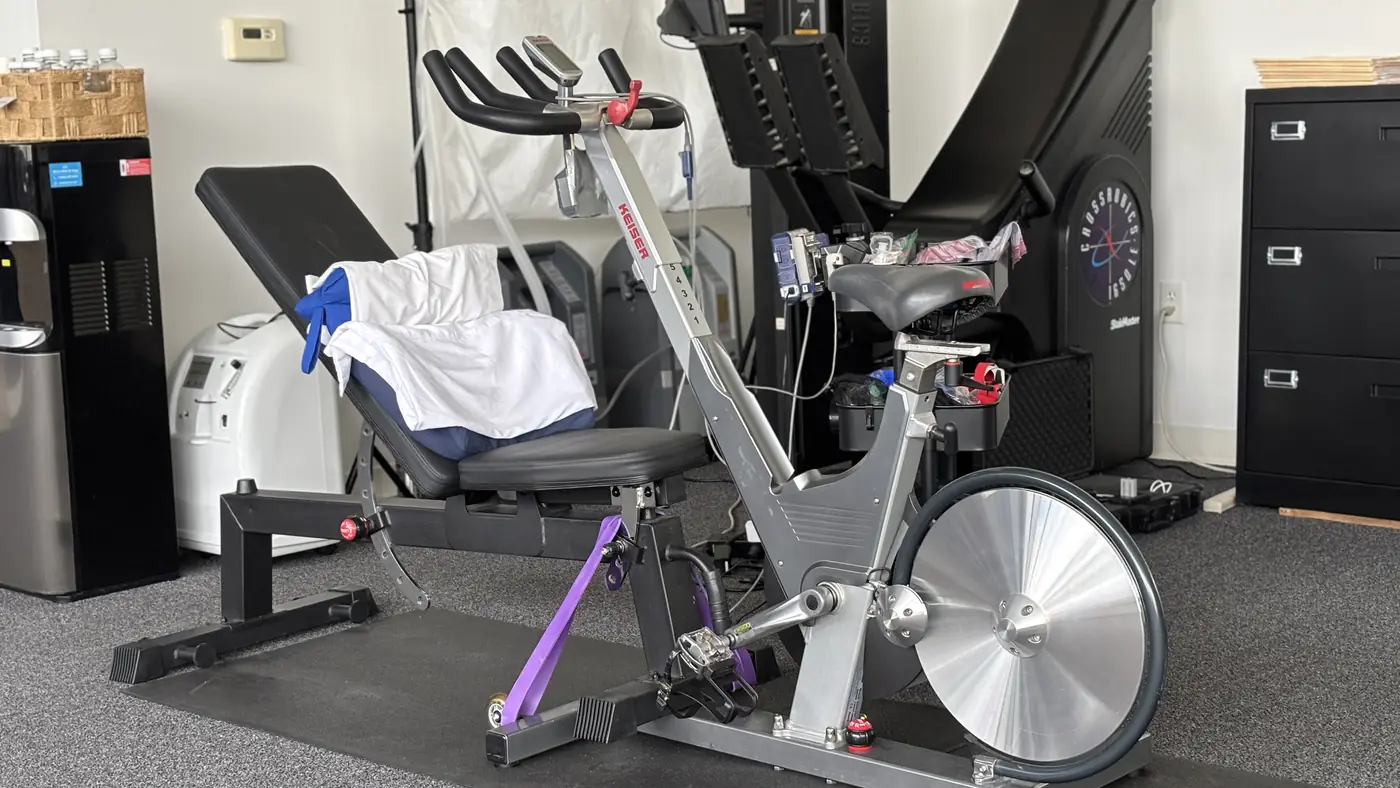
POTS medications manage the compensation. Neurological rehab targets the regulation failure. Understand where each approach works and where it falls short.

Why POTS and dysautonomia cause nausea, bloating, and gastroparesis. The gut isn't broken; the brain's control of it is. The autonomic-GI connection.

Hypocapnic cerebral hypoperfusion (HYCH) is a drop in brain blood flow caused by low CO2.
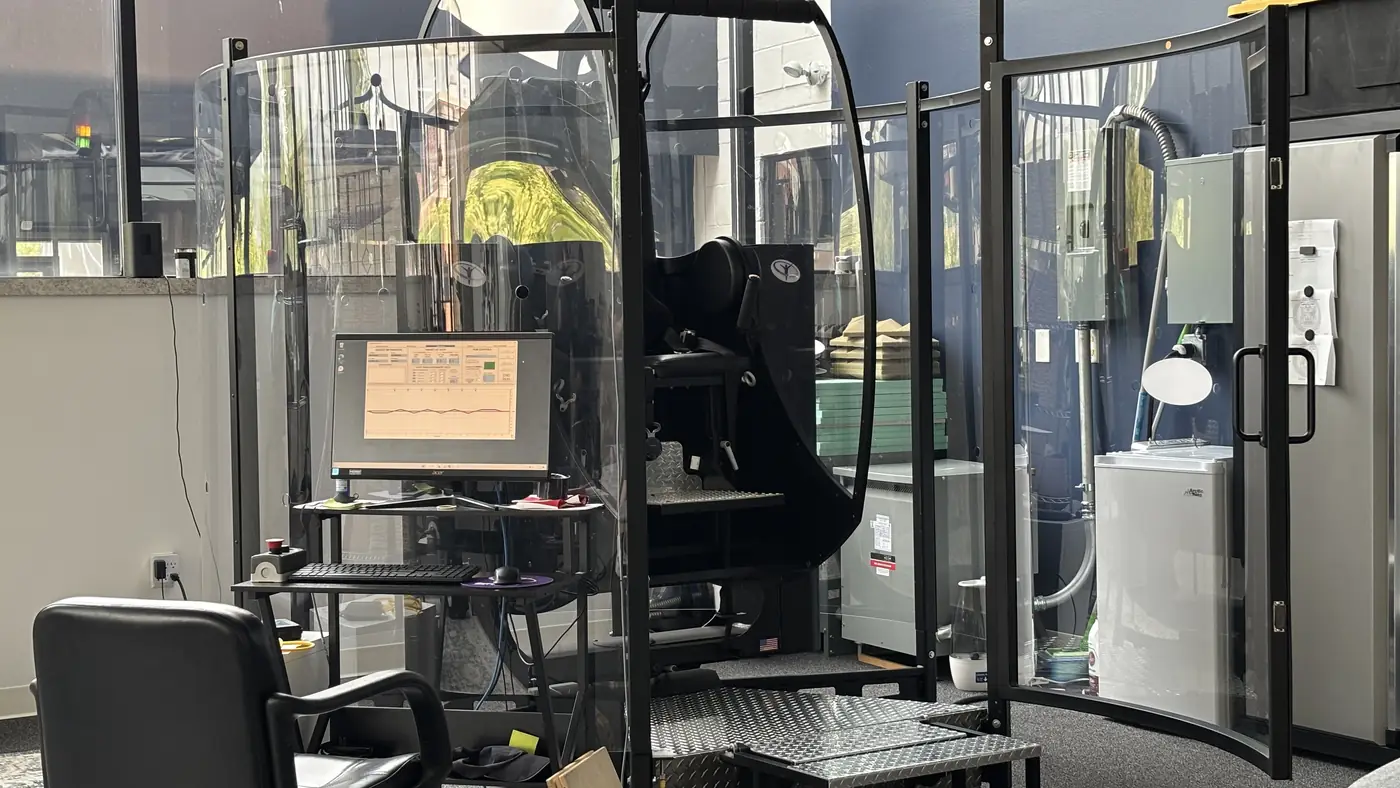
Orthostatic cerebral hypoperfusion syndrome (OCHOS) is a measurable drop in brain blood flow on standing. Learn how it differs from standard POTS.
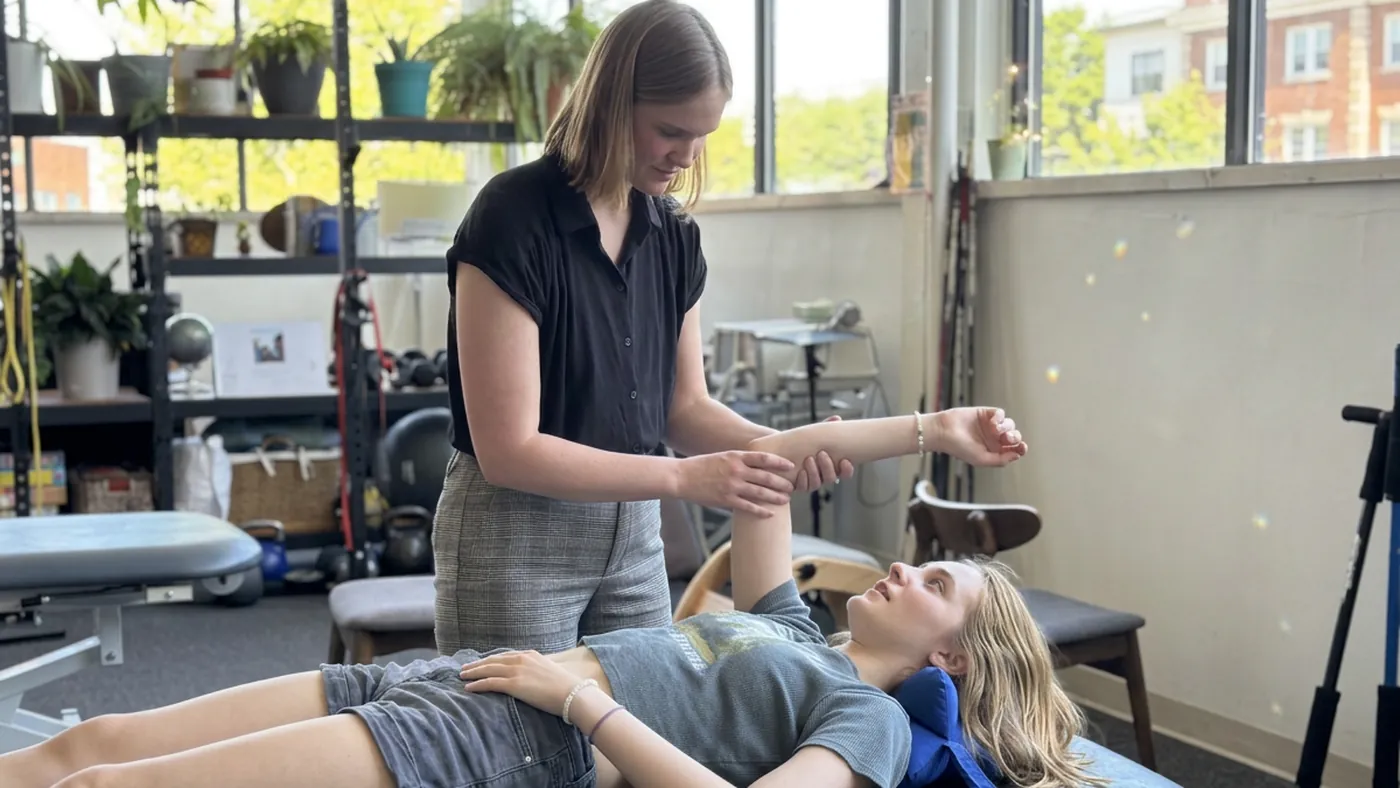
POTS is a brain regulation problem, not a heart rate problem. Mechanism-based neurological evaluation identifies what's actually driving symptoms.
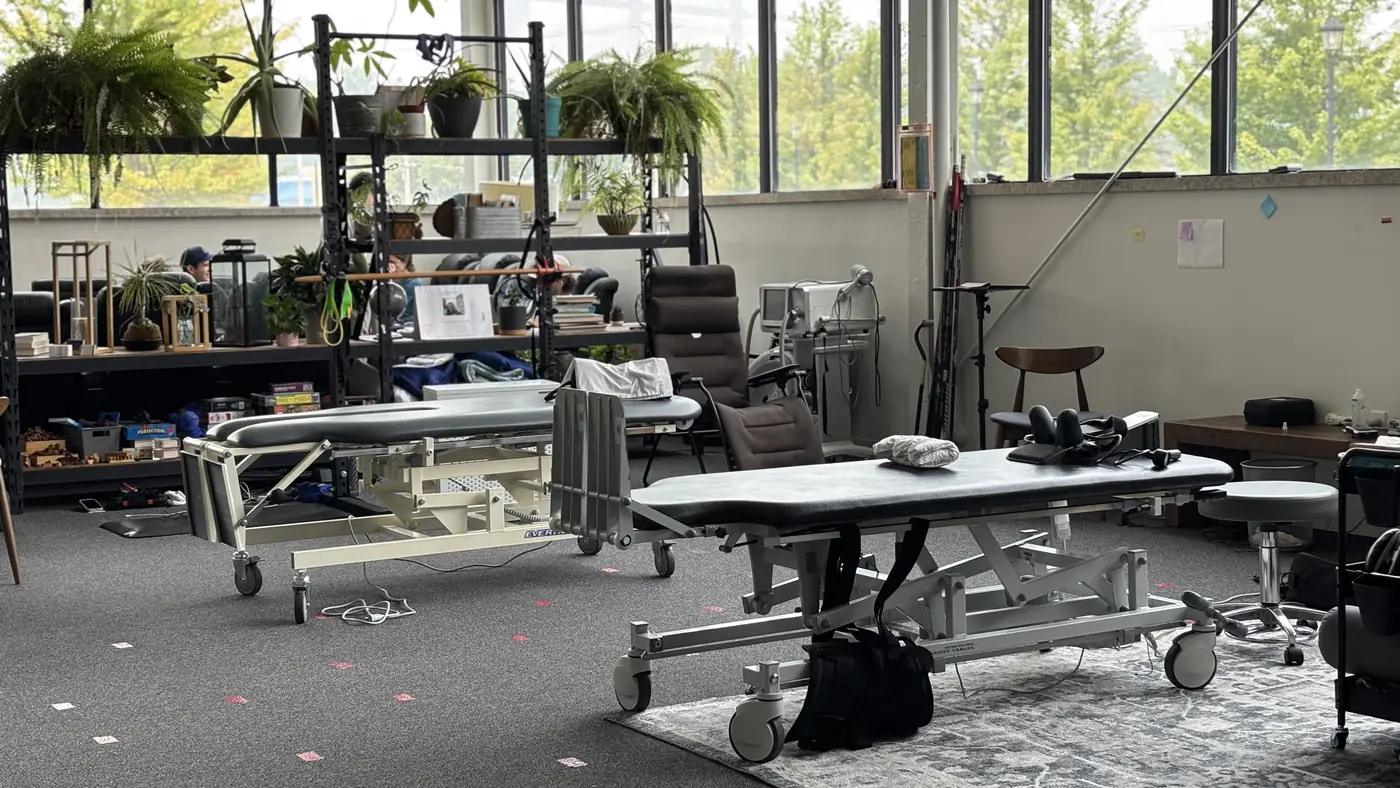
What intensive POTS treatment involves: cerebral blood flow testing, vestibular rehab, and neurological rehabilitation. What to expect in 4 to 7 days.

Free guide: the 4 mechanisms your doctors aren't testing for, and how to find which one is keeping you sick. From The Keiser Clinic.

Ear fullness, popping, or a heartbeat in your ear with POTS? It often traces to how blood drains from your head, not just your eustachian tubes.

Feeling dizzy in an elevator isn't random. It's a small test of how your brain blends vision, inner ear, and body sense to keep you balanced.

Feeling detached from reality with POTS or dysautonomia? Derealization is often a blood-flow and vestibular signal, not just anxiety. What it means.

A 2024 study of 2,627 patients found POTS and dysautonomia symptom surveys don't match objective autonomic testing. Here's what that gap really means.
POTS and OCHOS share one core problem: reduced cerebral blood flow. The 30 BPM threshold dividing them is a 40-year-old artifact, not a biological boundary.

A 3-degree error in gravity perception made everything feel overwhelming. How the vestibular system shapes anxiety, brain fog, and sensory overload.

Vestibular dysfunction doesn't just cause dizziness. When the brain's spatial reference breaks down, it drives anxiety, brain fog, depression, and fatigue.

Peripheral nerve stimulation lets dysautonomia patients train the brain without crashing. How PNS restores proprioception and cerebral blood flow.
POTS isn't one thing. Understanding the three subtypes, neuropathic, hyperadrenergic, and hypovolemic, is the first step toward treatment that works.
If your blood pressure looks normal and your heart rate doesn't quite qualify, you've been told nothing is wrong. Here's what the standard test misses.

A POTS diagnosis can be a relief, but for many the treatments still don't work. Here's why, and what understanding your specific mechanism changes.
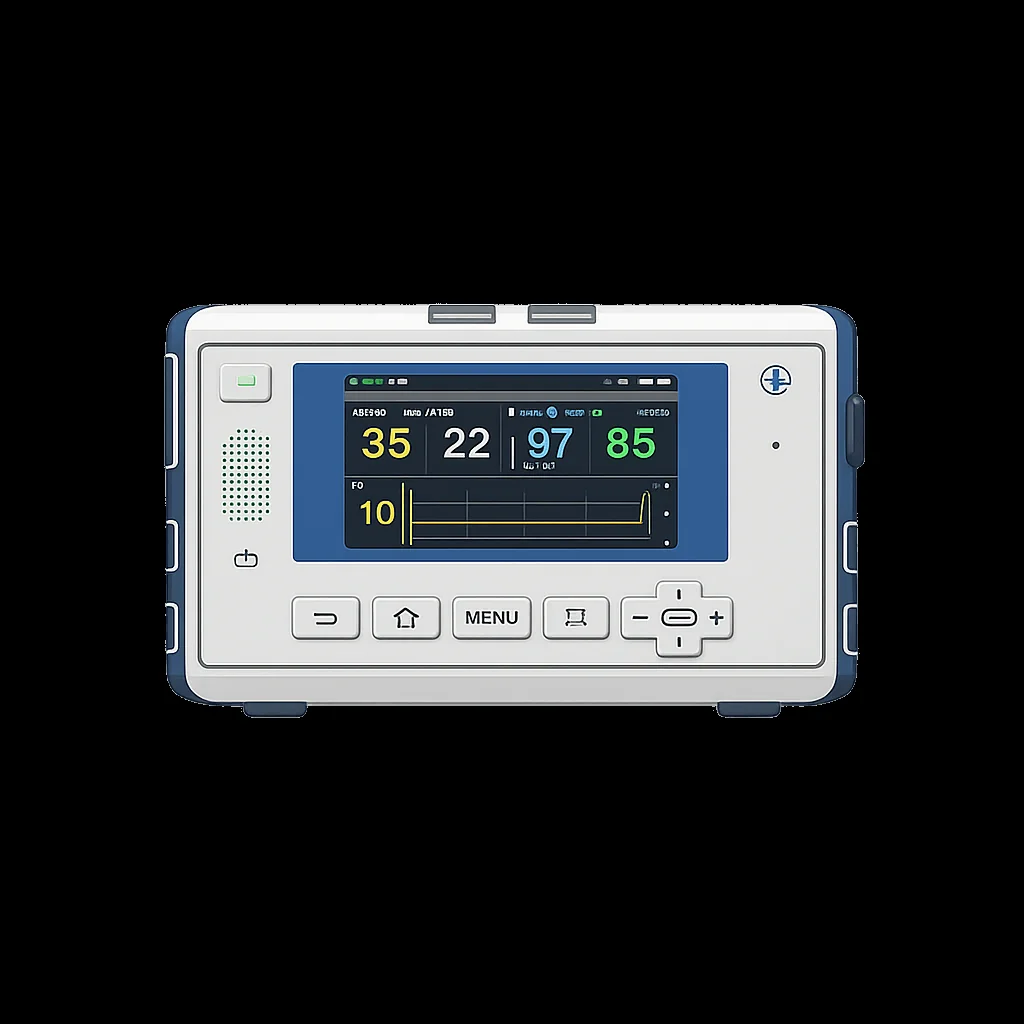
CO2 isn't a waste product. It's a key signal your brain uses to regulate blood flow. Why we measure ETCO2 on the tilt table, and what low CO2 feels like.
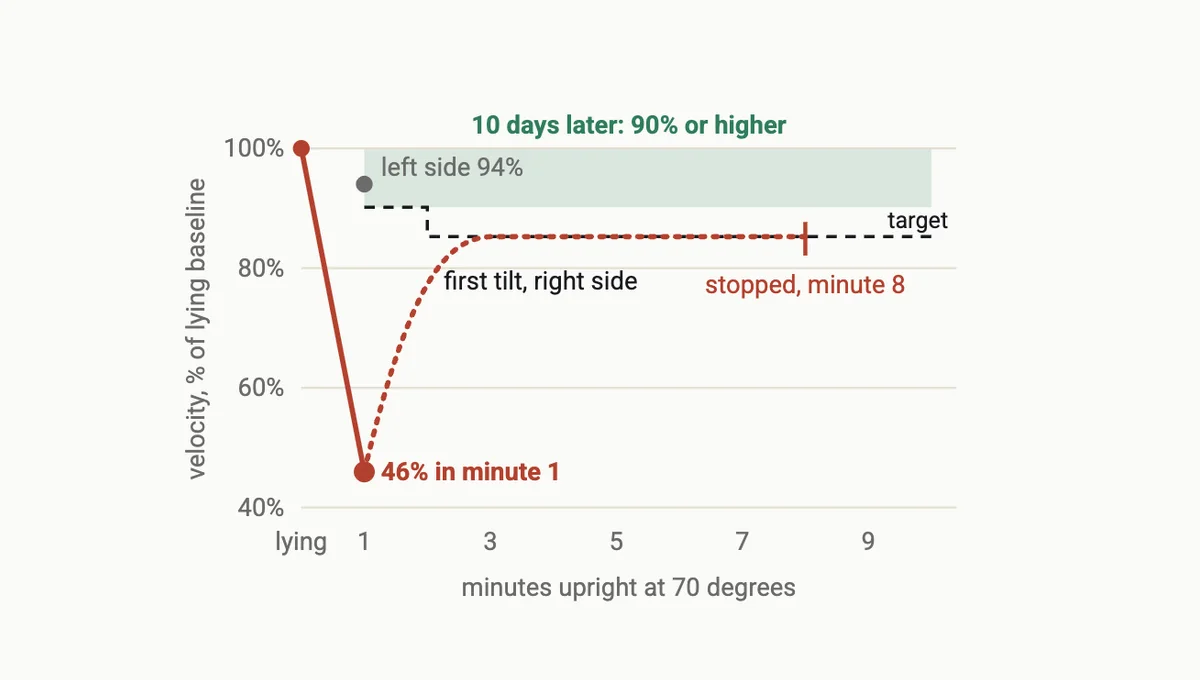
A transcranial Doppler tracks how fast blood moves to your brain as you're tilted upright, and shows whether it drops in POTS and by how much.
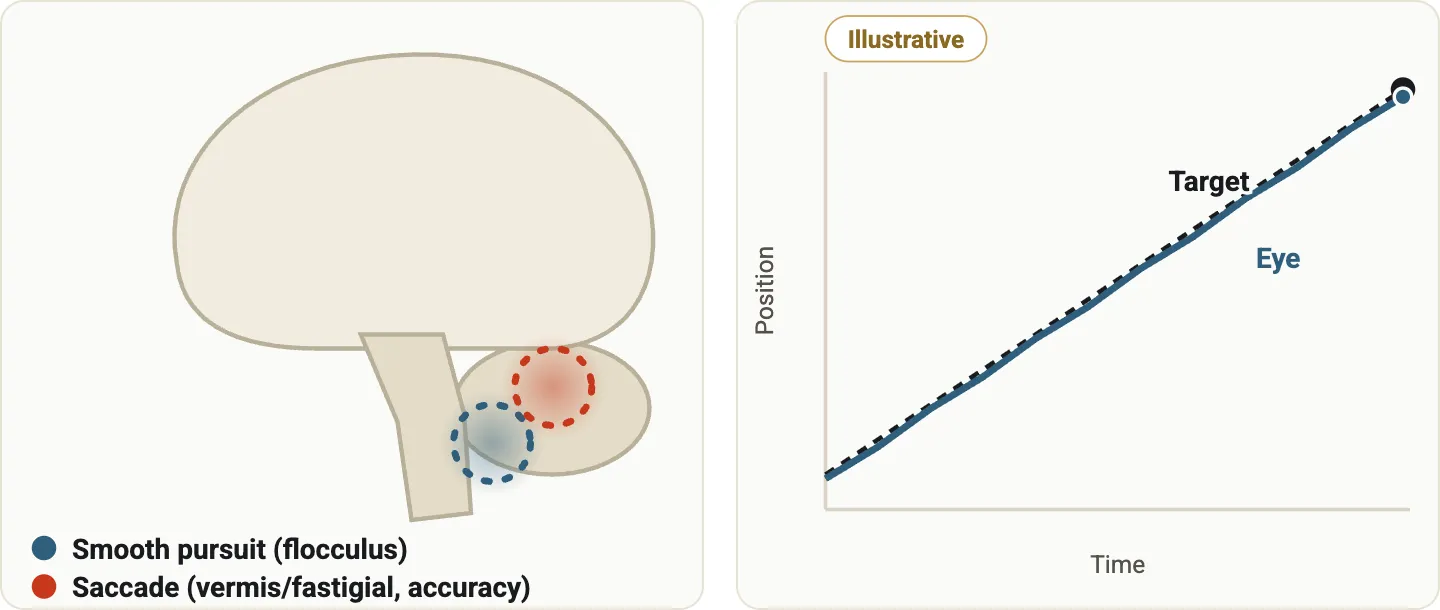
Eye movements run on brainstem, cerebellar and frontal circuits. See what the cerebellum adds and what slower pursuit looked like in one concussion study.
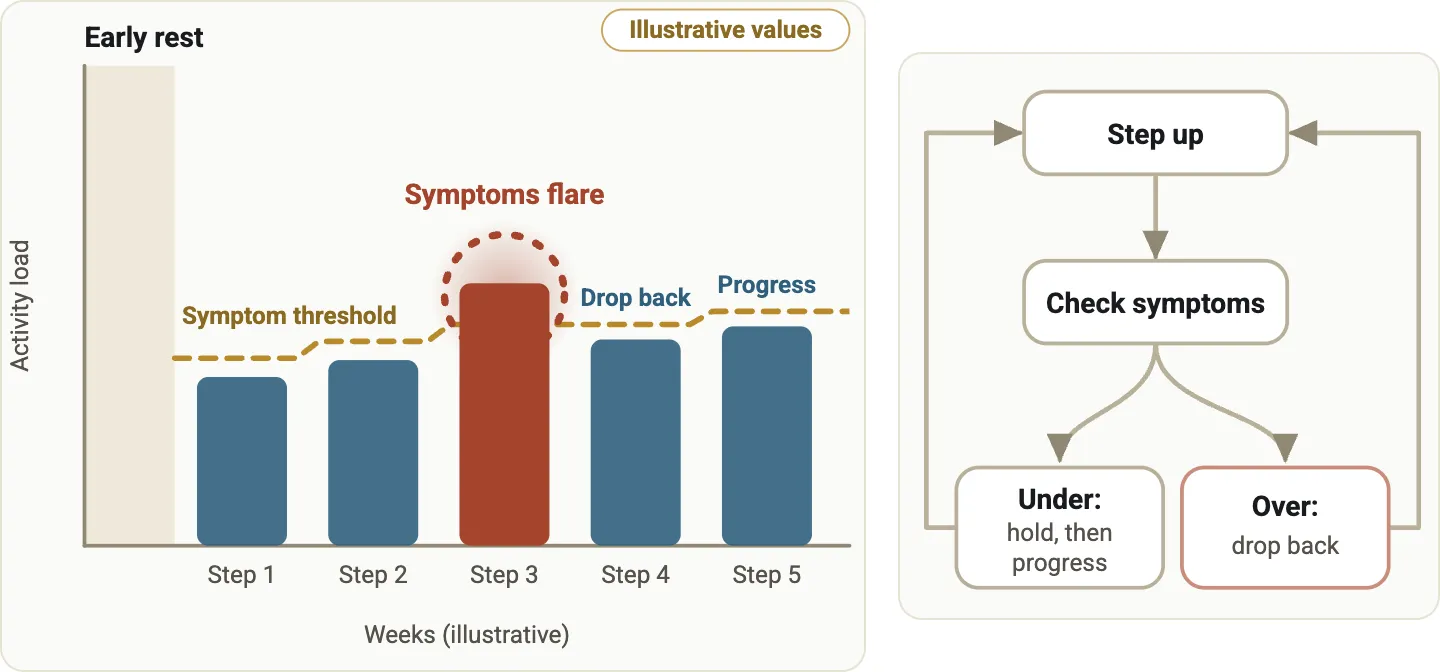
Concussion symptoms that won't fade? What post-concussion treatment targets, where rest fits, how activity returns and what the research shows.
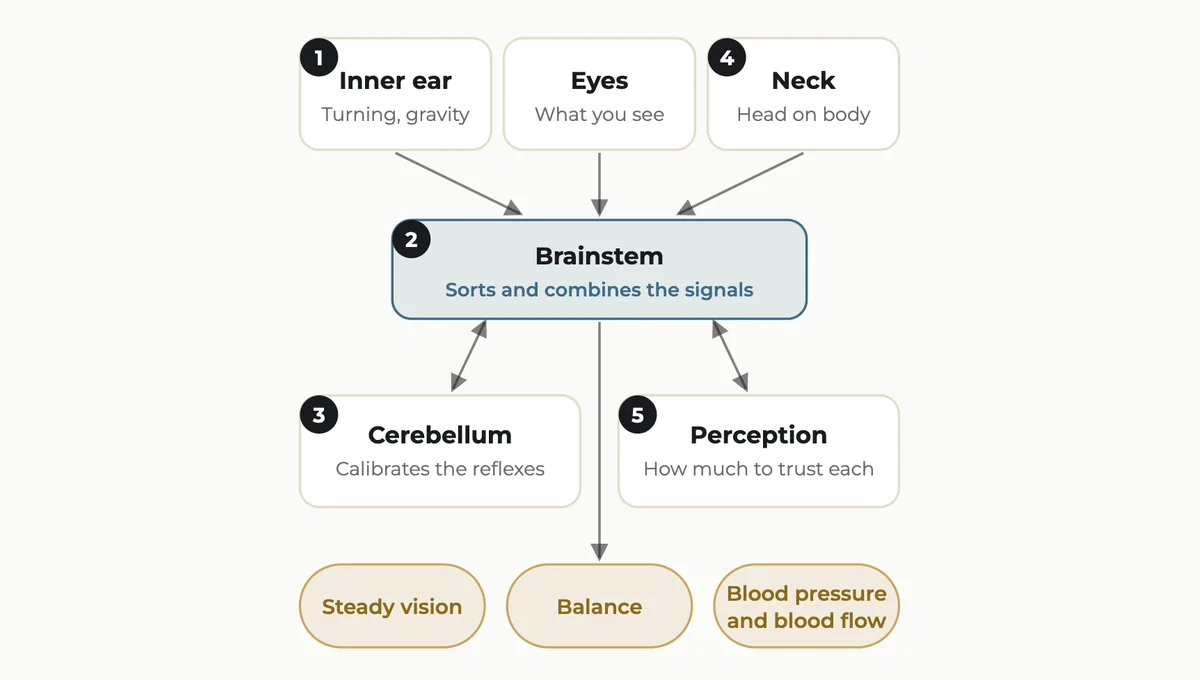
Peripheral, central, cerebellar, neck-related and hypersensitive: how our team sorts vestibular dysfunction, what each feels like and how it's treated.
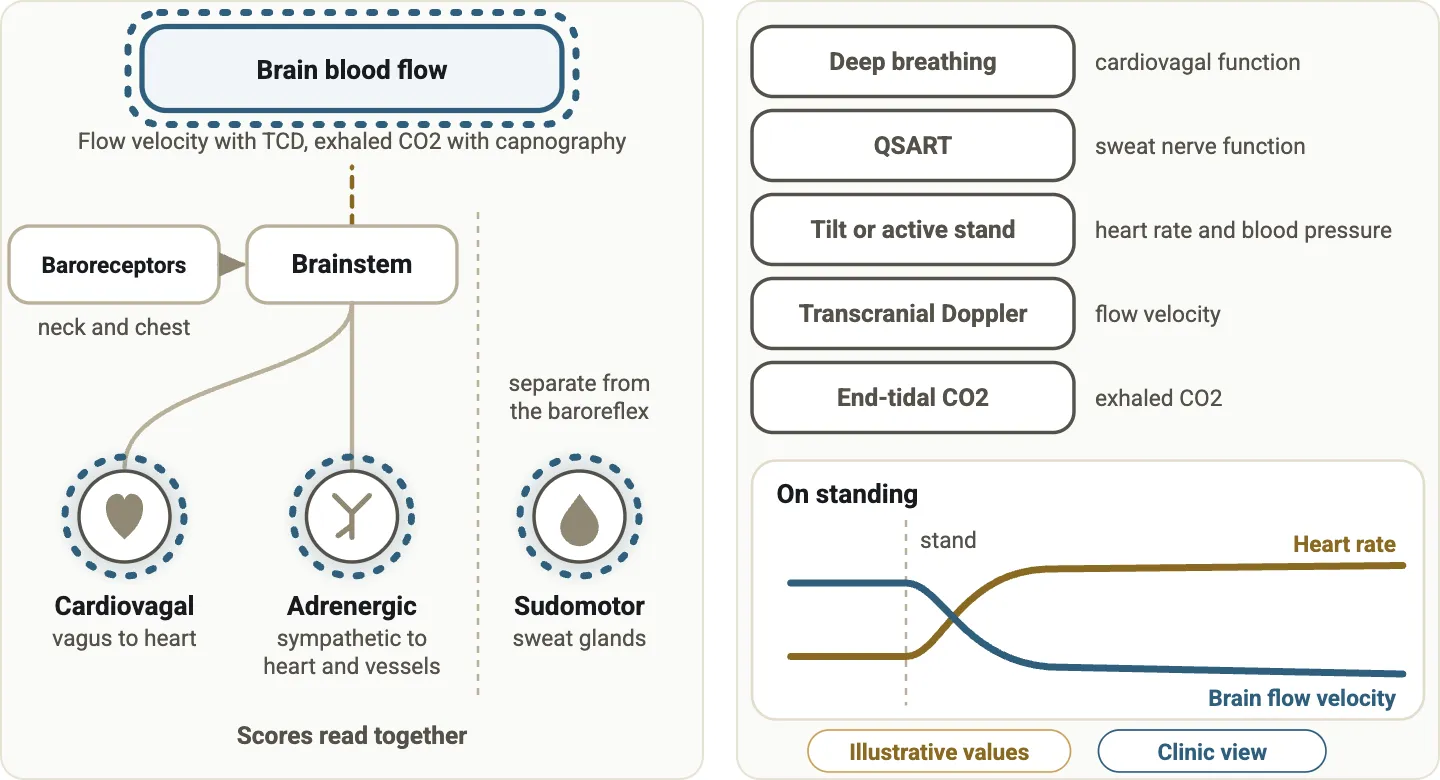
Autonomic testing for POTS checks heart rate, blood pressure and sweat nerve reflexes. Learn what each test measures, what results mean and what they miss.

Migraine is a neurological event, and the headache is only one part of it. Treating migraine as a brain problem instead of a pain problem opens new treatment pathways.
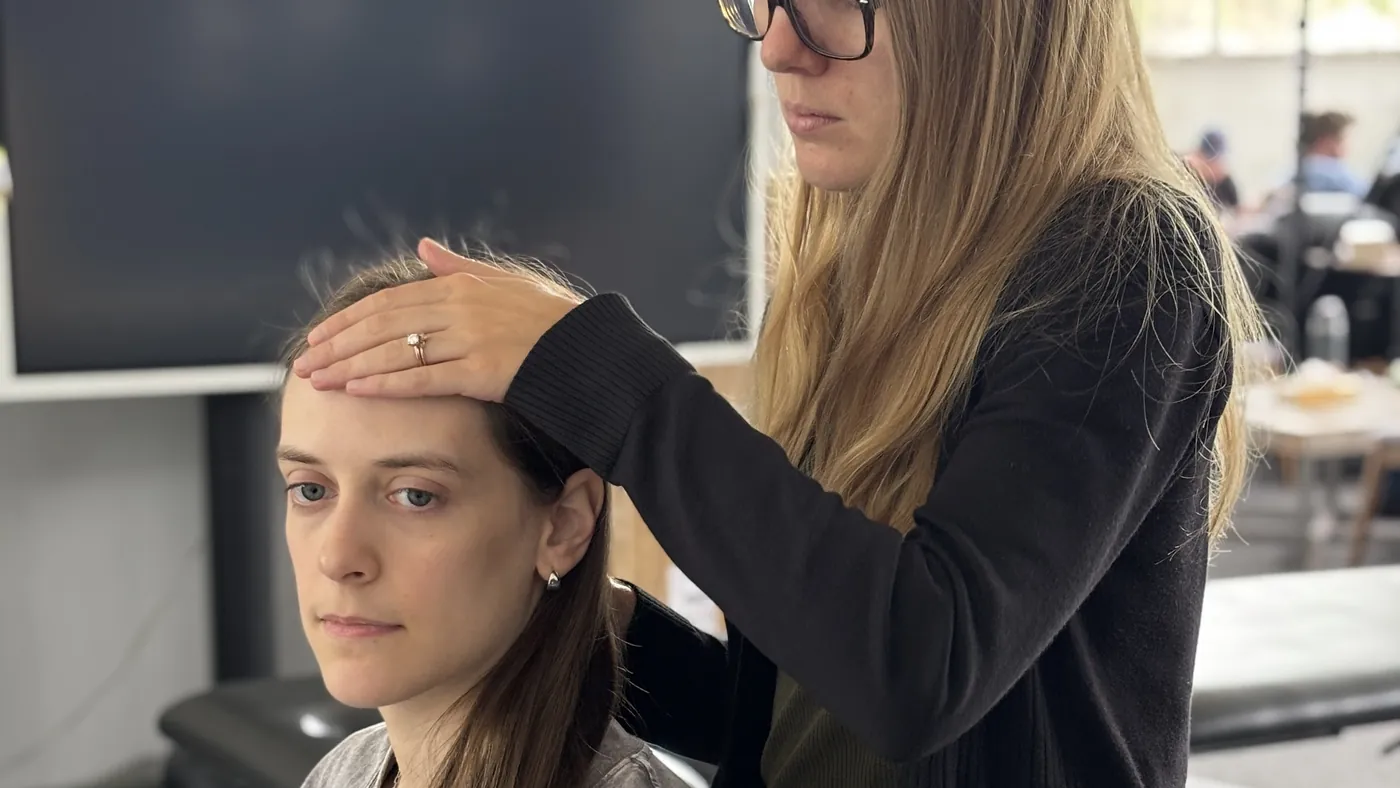
Neck problems can cause brain fog, memory trouble, dizziness and POTS symptoms. See the 7 ways cervical joint errors reach the brain and how they're tested.
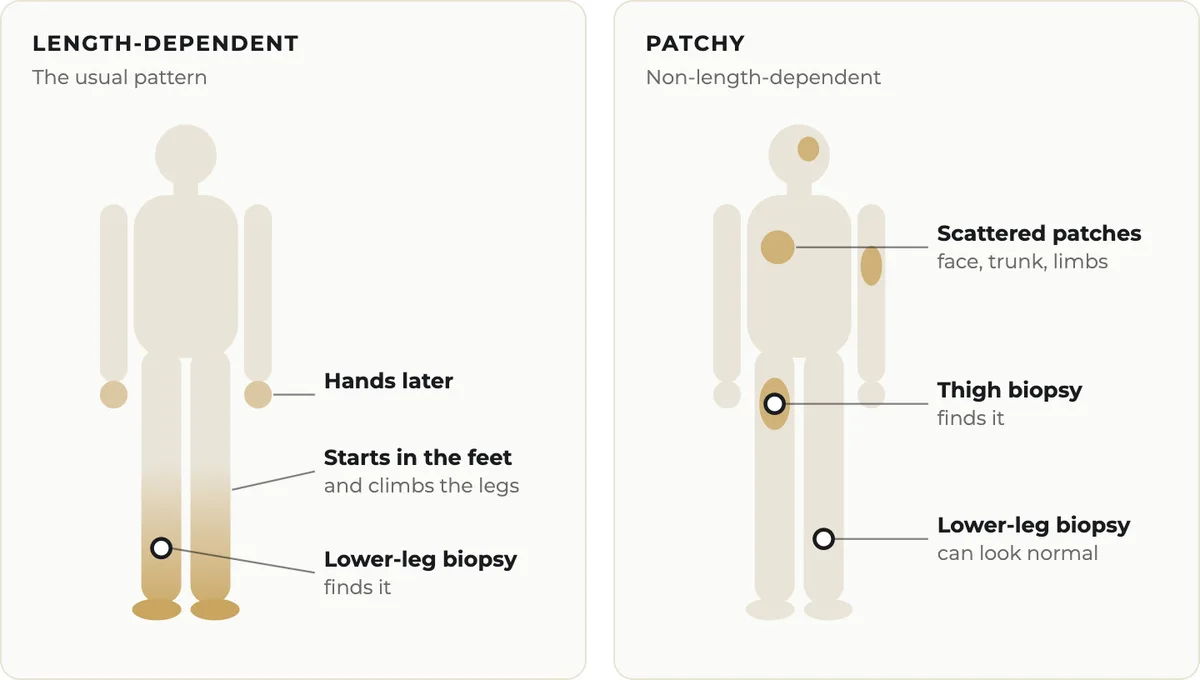
Small fiber neuropathy shows up in a quarter to half of POTS patients tested. How SFN drives dysautonomia, why a skin biopsy can miss it, and what improves it.
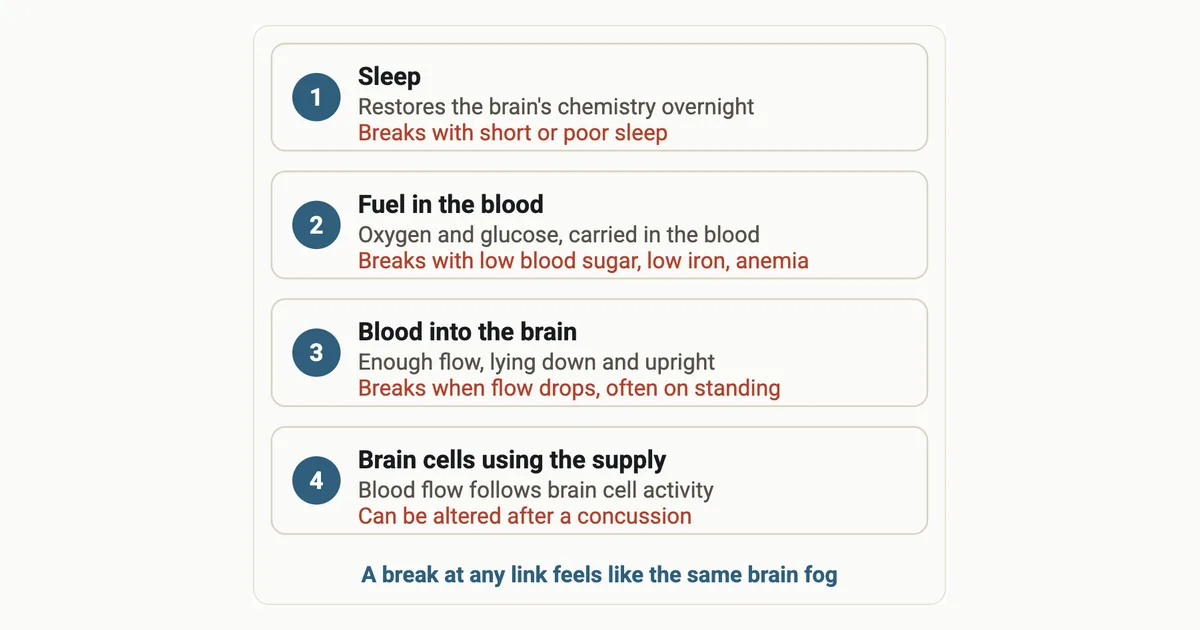
What causes brain fog, why it can get worse when you stand or drive, and how to find which link in your brain's supply chain is weak.
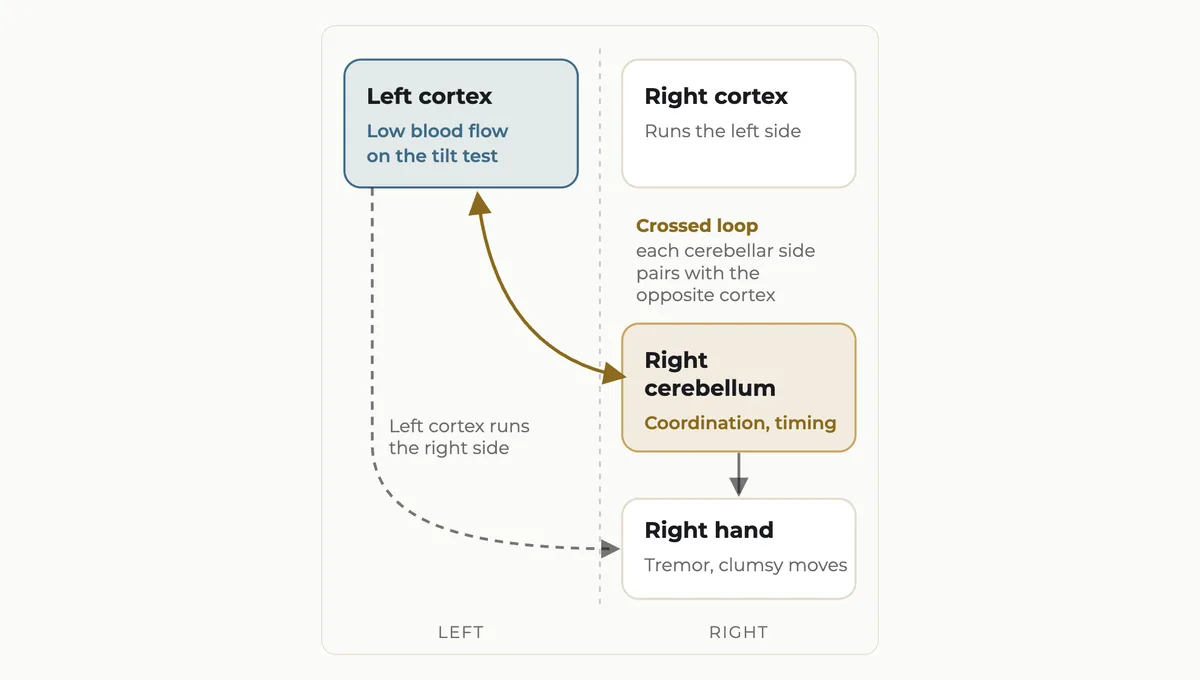
Why exercise feels so hard with POTS: the symptoms, what research shows about the heart and fitness, what our team finds in the brain, and what helps.
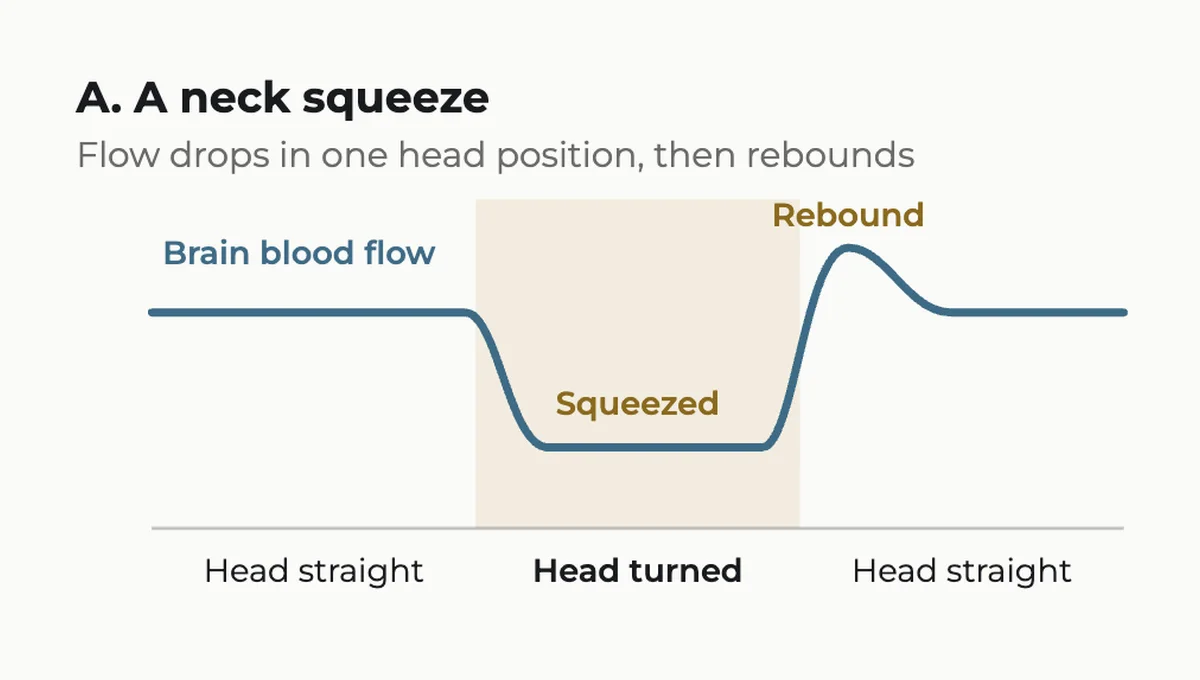
Tight muscles, posture and the bones of your neck can squeeze the arteries to your brain. What research shows, who gets symptoms, and how our team tests it.
IV saline helps ME/CFS and dysautonomia patients feel better temporarily. But if the problem is blood flow distribution, saline is a patch, not a fix.
ME/CFS isn't just fatigue. How chronic fatigue syndrome is properly diagnosed, what testing reveals about the brain, and why finding the mechanism matters.
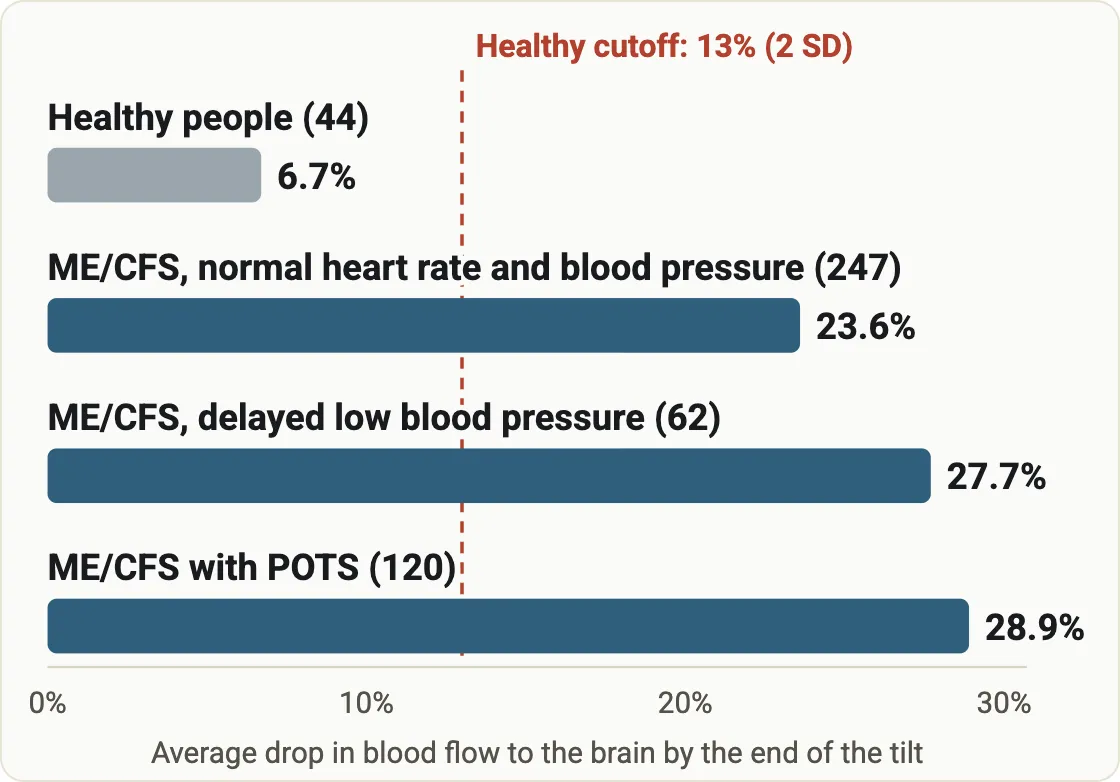
PEM recovery explained: what a PEM crash is, how long it lasts, why it often hits a day or more later, and how our team works to widen what you can do.
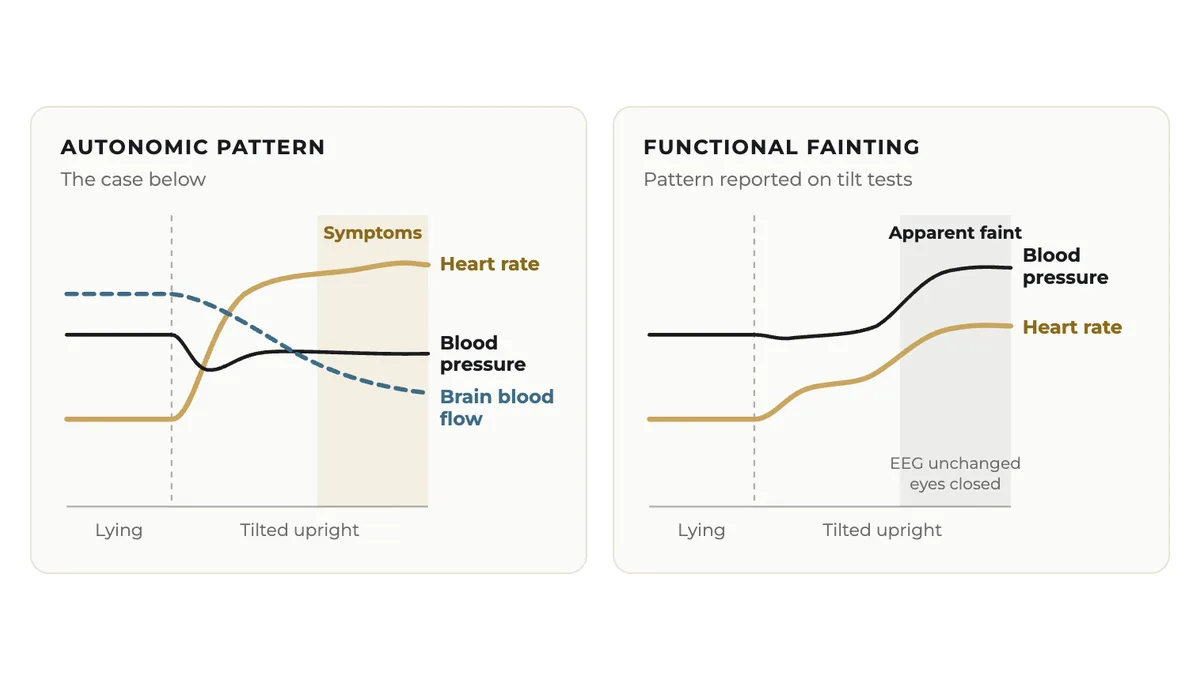
FND and POTS can show up together. What FND is, how it differs from POTS, why standing can make FND symptoms worse, and what a tilt test can show.
Cerebral hypoperfusion means too little blood reaching the brain. What hypoperfusion is, symptoms, causes, why normal blood pressure misses it, and tests.
Why do so many dysautonomia treatments fail? Both conventional and functional medicine miss the one core problem: the brain is the common thread.
Can B6 toxicity cause POTS? Learn about vitamin B6 and autonomic nerves, how to start moving again with POTS, and hypoplastic vertebral arteries.
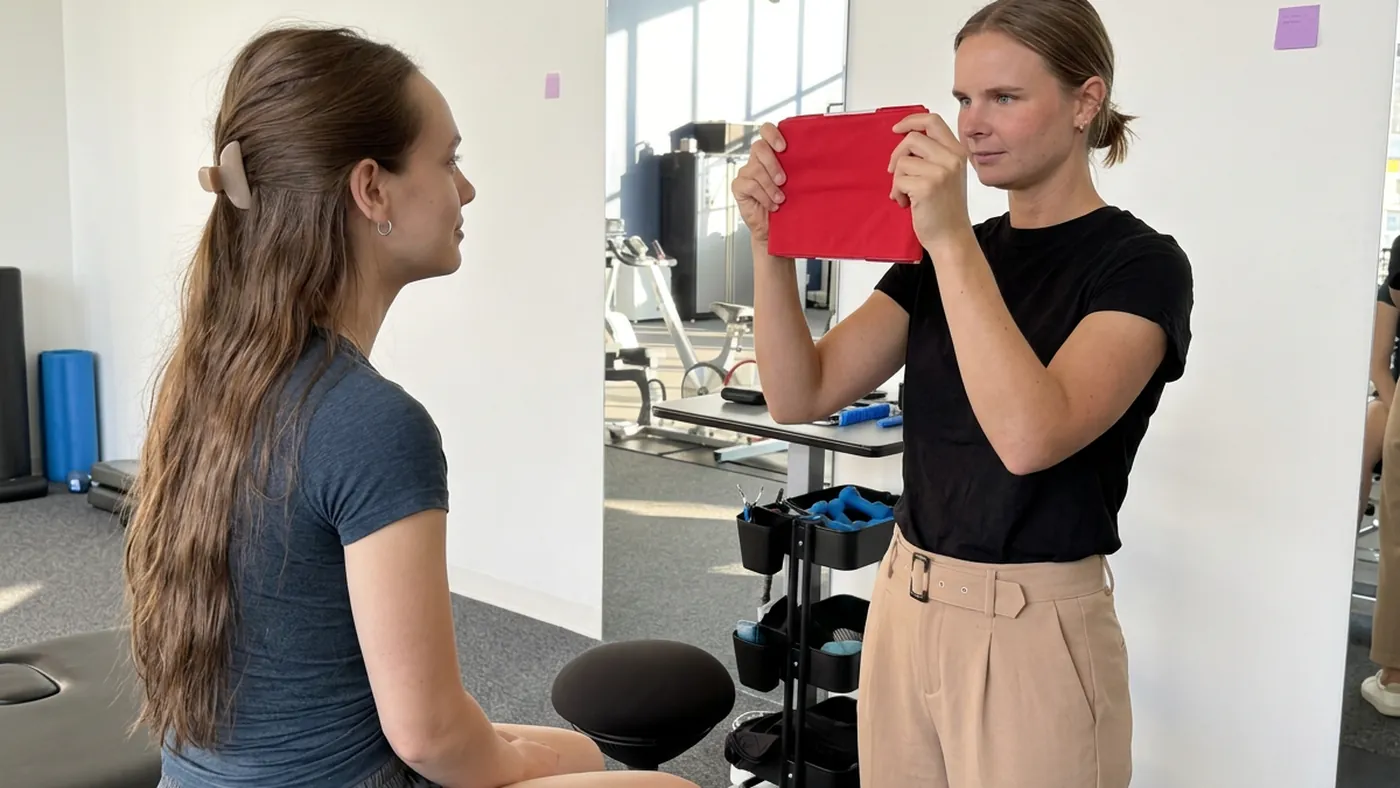
POTS isn't just about heart rate. Learn why it's really a brain coordination problem, and why treating it as a heart condition misses the mechanism.
Blood pooling is blood collecting in your legs, feet or hands when you're upright. What it looks like, when it's normal, and what causes it in POTS.
Your heart races when you stand because your brain is losing blood flow, a measurable regulation failure, not anxiety. Here's what's actually happening.
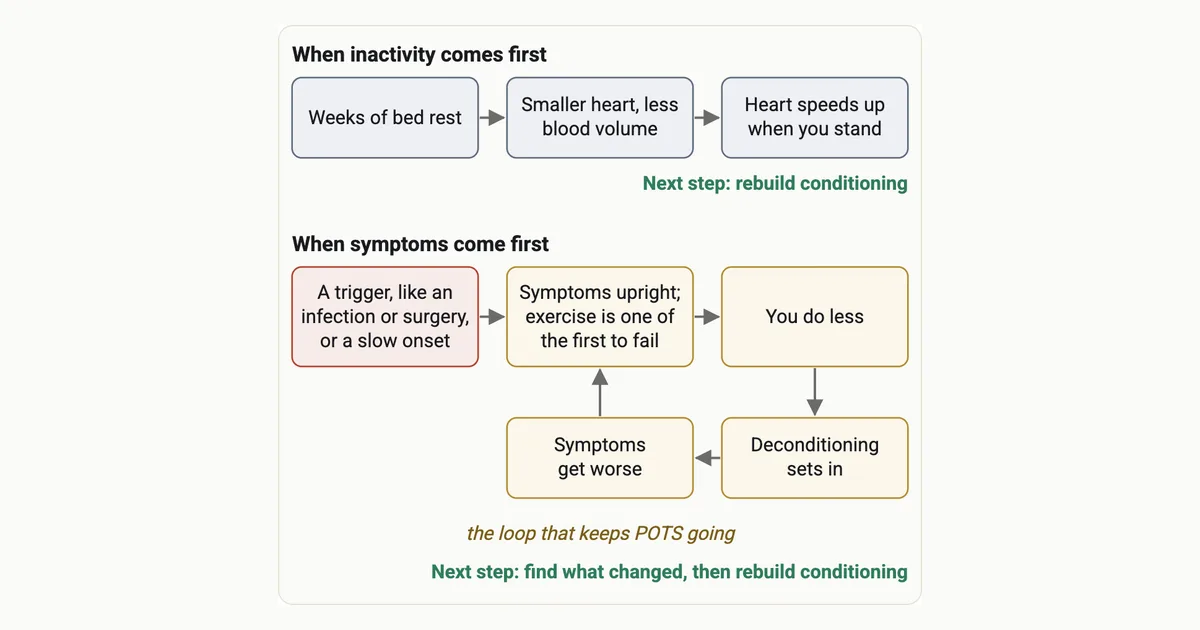
Does deconditioning cause POTS, or POTS cause deconditioning? What bed rest does to the heart, POTS vs being out of shape, and what exercise can and can't do.
Sleep is actively restorative. Learn why sleep is the engine of neuroplasticity and recovery in dysautonomia and POTS.
Proof that the brain controls the autonomic system, using eye movements, cerebral blood flow data, and real patient outcomes from targeted brain rehab.
A 21-year-old with POTS and gastroparesis improved digestion, heart rate, and sensation through neural rehab, without any GI-specific treatment.
A patient with two years of POTS recovered in one month through targeted neural rehab: cerebral blood flow testing, tilt progression, and retinal slip.
Case study: A college-aged EDS and POTS patient went from missing school and extreme fatigue to getting back to life in under a month.
POTS case study: A 21-year-old athlete went from housebound to coaching baseball and taking classes again. Neuropathy findings and CO2-guided rehab.

Hyperadrenergic POTS (hyperPOTS) is POTS with a norepinephrine surge on standing. See the symptoms, how it's tested, what beta blockers miss and what to check.

A 15-year-old diagnosed with POTS wasn't actually a POTS case. See the real diagnosis, brain-based treatment, and full recovery including return to school.
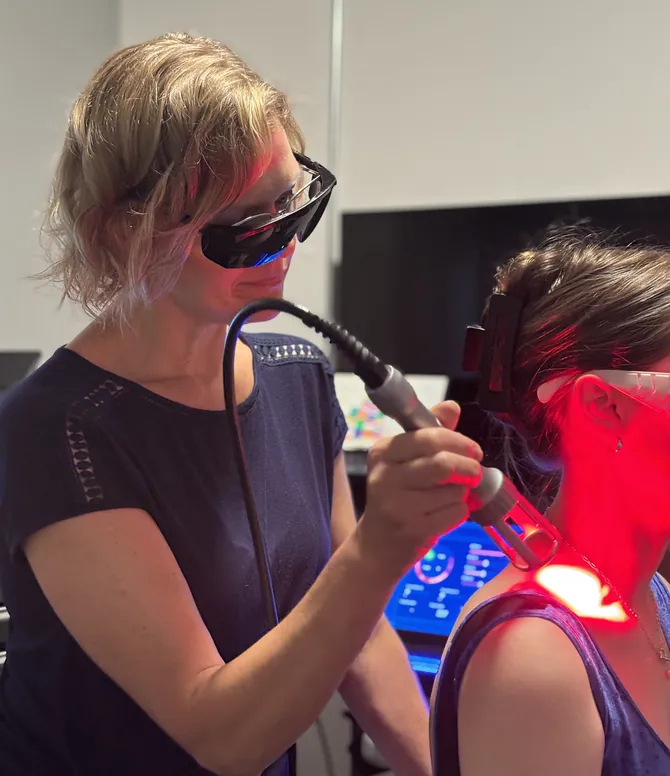
Post-concussion case study: dizziness, heart rate spikes, nausea, and broken sleep. See the eye findings, treatment steps, and outcome.
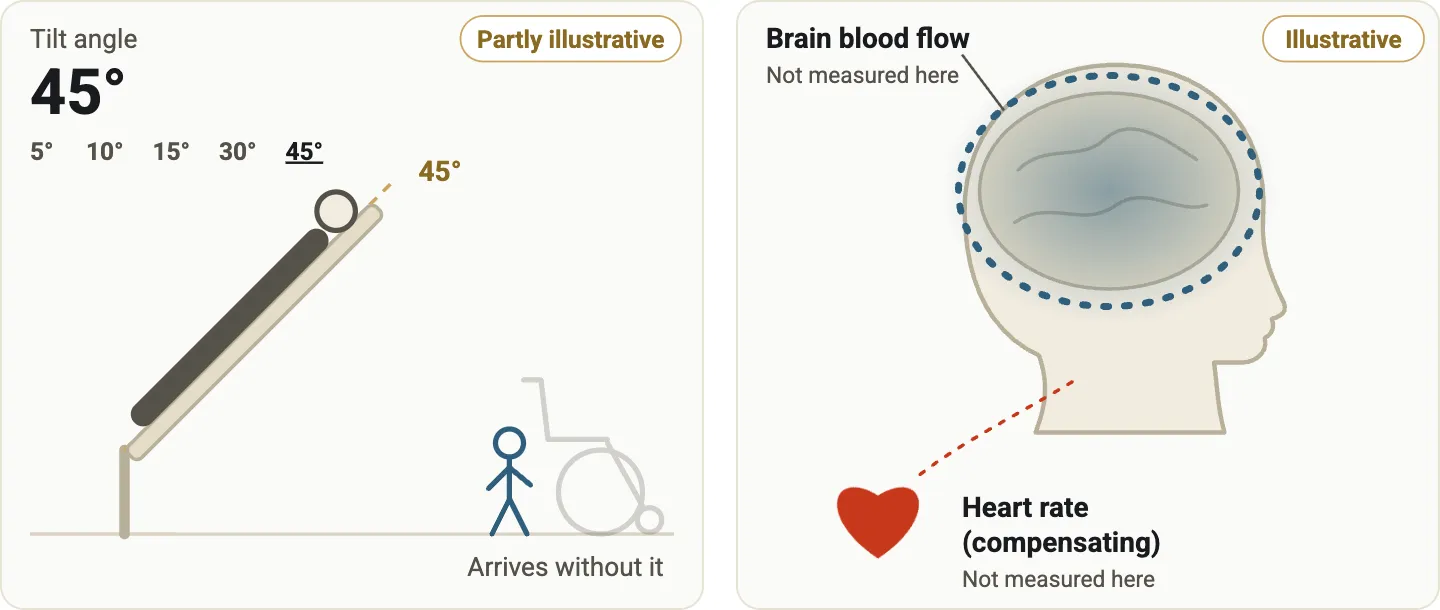
No study we found counts how many people with POTS stay in a wheelchair. See one 8-year case: what our team found, what we did and what changed.
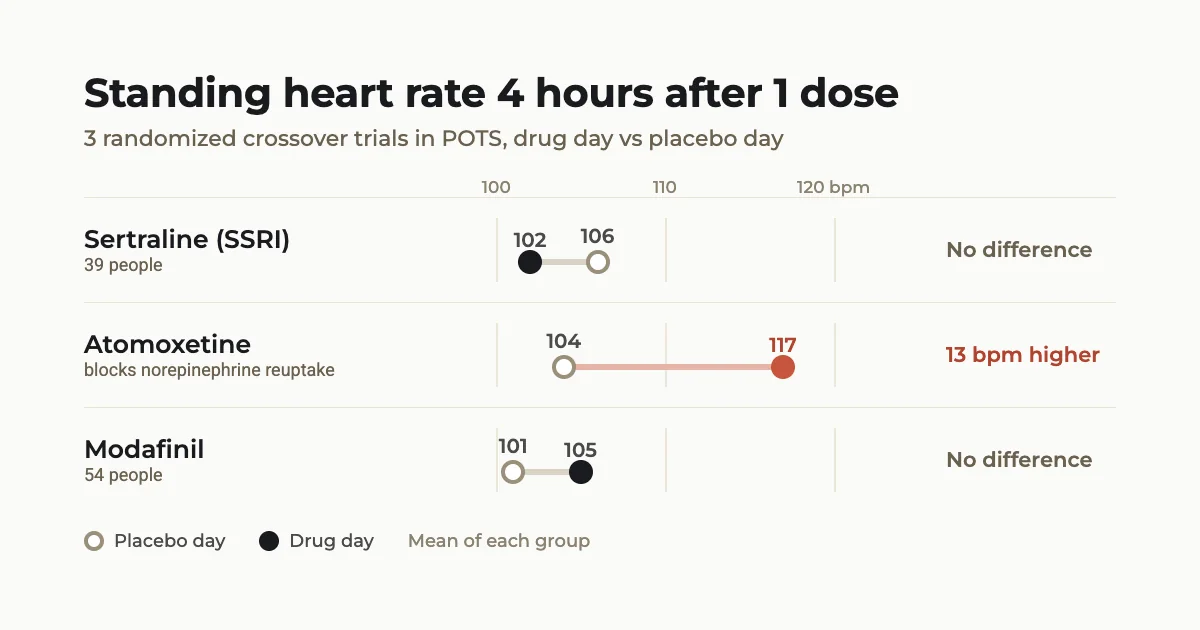
Do SSRIs help POTS? What the one randomized SSRI trial found, why SNRIs and ADHD drugs can raise standing heart rate, and how to talk with your prescriber.
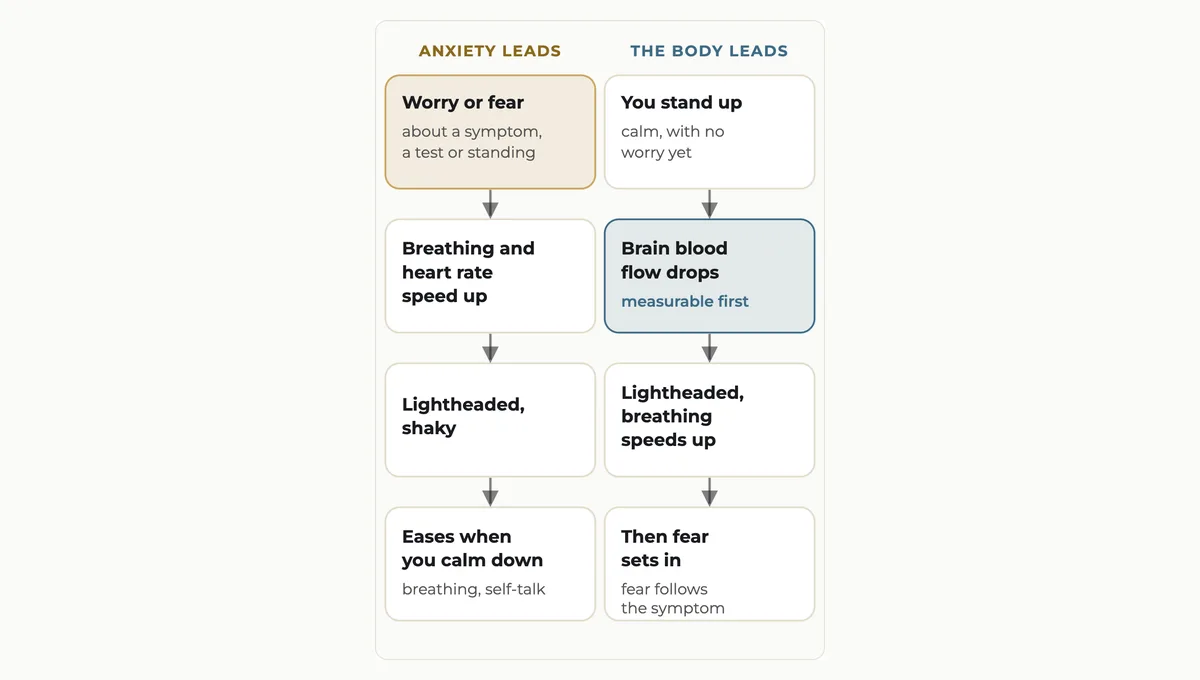
POTS or anxiety? How to tell which comes first, why POTS is so often misdiagnosed as anxiety, what testing shows, and a case where the body led.
Why so many POTS cases get dismissed, why clean labs don't mean you're fine, and how a brain-first approach finds what standard workups miss.
How to know if your POTS is actually improving using cerebral blood flow data, not just symptoms. A case study shows why BP meds may worsen perfusion.
Orthostatic intolerance means symptoms when you stand that ease when you lie down. Symptoms, causes, and the types: orthostatic hypotension, POTS and OCHOS.
A 27-year-old with brain fog and POTS after a concussion recovered cerebral blood flow and resolved heart rate instability in two weeks.
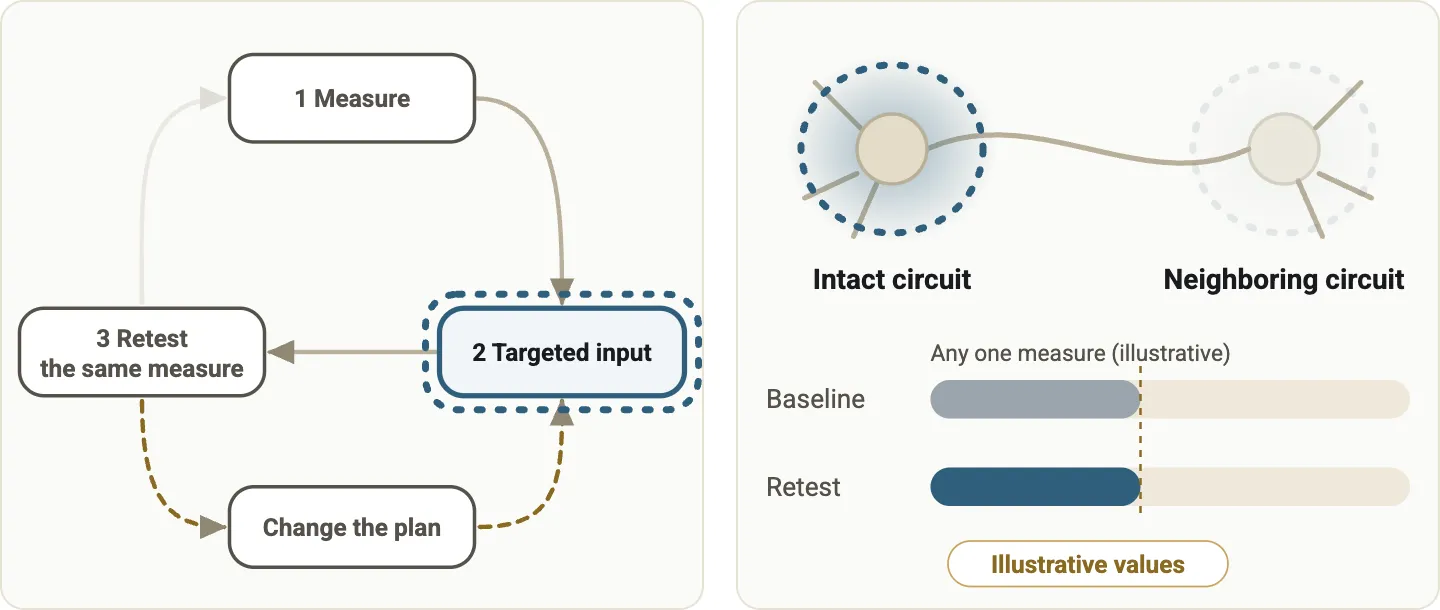
Functional neurology measures a function, gives a targeted input and retests. How it differs from neurology, its training and what the evidence shows.
Your brain has its own blood flow control system. Learn why that matters for POTS and why normal blood pressure doesn't guarantee normal brain blood flow.
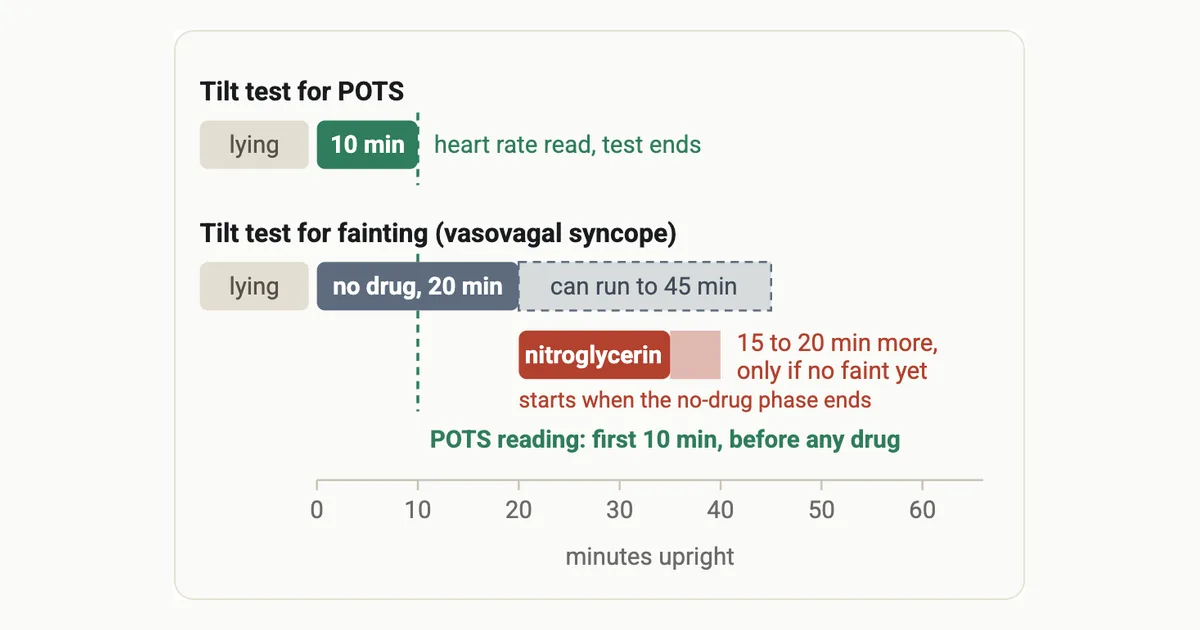
What happens on a tilt table test for POTS, how long it takes, why some labs give nitroglycerin, what the results mean and whether you need one at all.
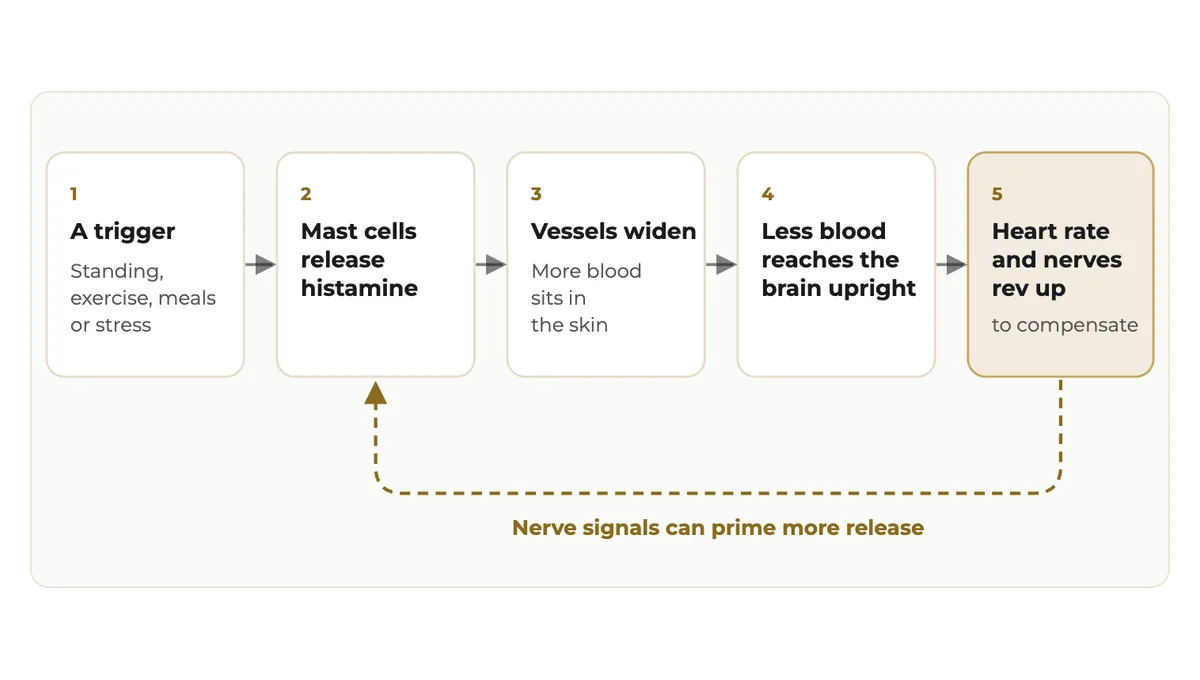
How MCAS and dysautonomia connect: what histamine does to blood flow and heart rate in POTS, how to tell the 2 apart, and what helps when both flare.

POTS and dysautonomia treatment should recalibrate your nervous system, not just manage symptoms. Targeting the lynchpin unlocks recovery.
CFS, POTS, and ME/CFS syndrome labels describe symptoms, not causes. Moving from syndrome to mechanism is the key to effective treatment.
The autonomic nervous system isn't an on/off switch. Learn why 'sympathetic dominance' is misleading and how specific pathways drive POTS symptoms.
Cerebellar dysfunction causes dysautonomia and POTS. Learn how the cerebellum regulates autonomic reflexes and how eye movement testing reveals it.
Vagus nerve stimulation for POTS misses the point. The vagus is mostly sensory, paired antagonism is a myth, and the real driver of dysautonomia differs.
Exercise advice fails POTS patients because it ignores orthostatic blood flow. Deconditioning isn't the cause. Fix cerebral perfusion first.
Mal de Debarquement Syndrome (MdDS) explains why you feel better in a moving car and worse when it stops. Learn about the sensory mismatch driving it.
Neck stiffness with dysautonomia isn't random. Learn the neurological connection between your neck, vestibular system, and autonomic symptoms.
POTS fatigue and brain fog aren't laziness. Dr. Keiser explains why reduced cerebral blood flow starves your brain of fuel and what testing can reveal.
Post-concussion symptoms that persist often involve disrupted cerebral blood flow and cerebellar dysfunction. Learn the brain mechanisms behind it.
No articles match your search. Try a different keyword or topic.
Find and fix the driver of your neurological symptoms.
We combine advanced diagnostic technologies with the latest in clinical neuroscience and a patient centered approach to identify and correct the imbalances driving your symptoms.

