The Keiser Clinic Process

How We Find What
Your Diagnosis
Never Explained

Most diagnostic workups only confirm the label. Ours is built to explain why your symptoms happen and how treatment should proceed.

6 steps
Step 01

Consultation Call

Everything starts with a 15-minute call with one of our physicians.

  • We hear your story and understand your full symptom picture
  • We ask what you've already tried and what hasn't worked
  • We determine if your pattern matches what we treat
  • We give you an honest answer — including if we're not the right fit

Schedule Your No-Cost Call
Patient consultation at The Keiser Clinic
Step 02

Records Review & Preparation

Once we determine you're a strong candidate, we request your relevant medical records before your visit. This lets us review what's already been done — and avoid repeating it unnecessarily.

Our team will also help coordinate travel logistics. Many patients fly in from across the country, and we're experienced at making the process as smooth as possible.

  • Records reviewed by your treating physicians before arrival
  • Pre-visit questionnaire to map your symptom timeline
  • Travel coordination support for out-of-state patients
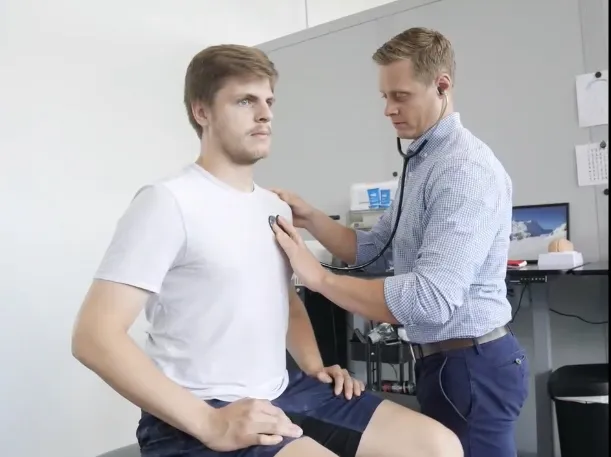
Clinical examination at The Keiser Clinic
Step 03

Comprehensive Evaluation

Your first day at our clinic is a comprehensive evaluation that takes place over the full day.

We know many patients worry they will not be able to tolerate being out of the house that long, especially if they have spent months or years mostly in bed. Our clinic is set up with comfortable recliners and zero-gravity chairs so you can rest as needed throughout the day.

Whether you walk in independently or arrive at your most limited, we want to see the reality of what your body is doing so we can evaluate you accurately and build a plan that meets you where you are.

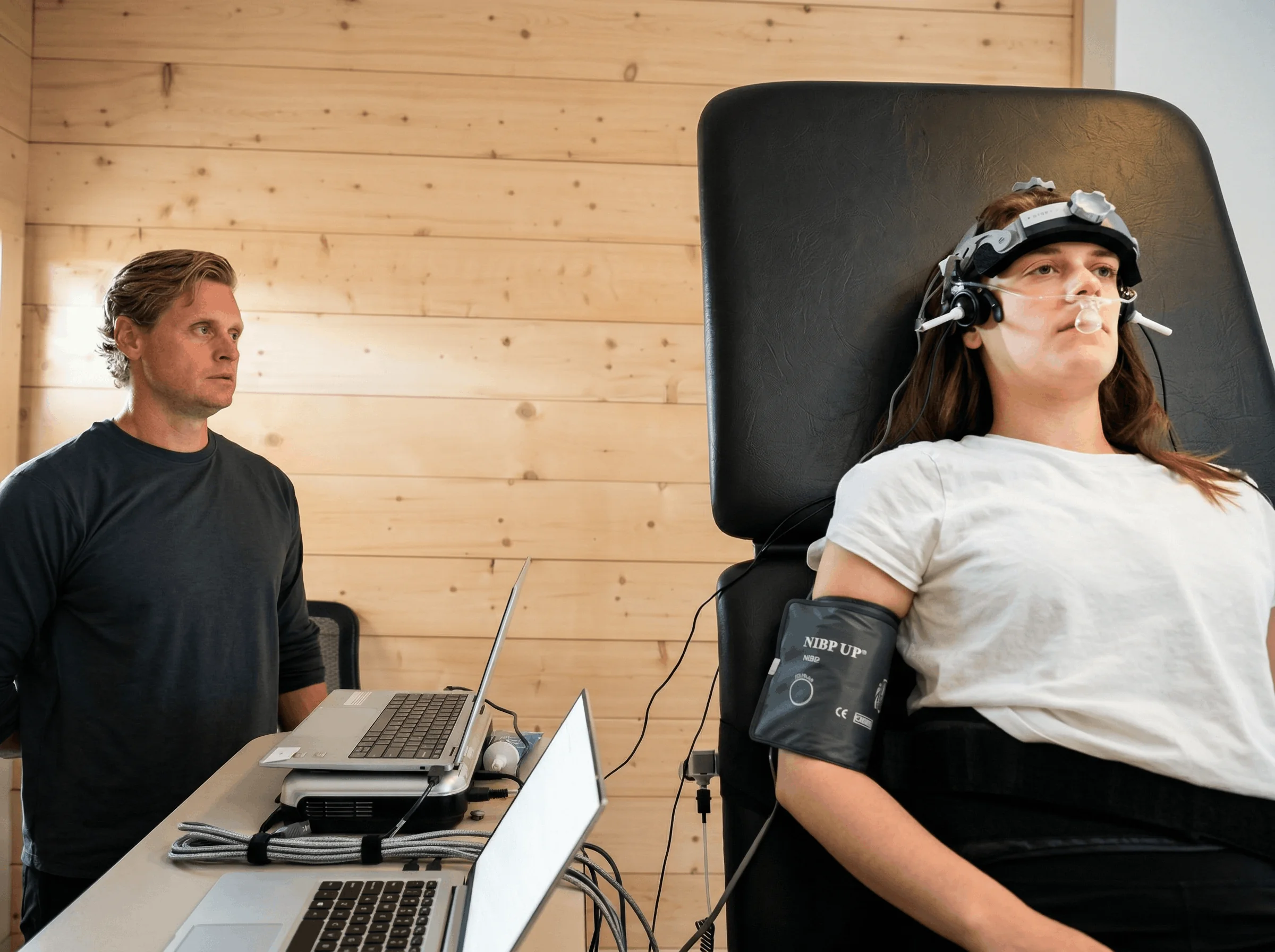
Neurological Exam Tilt Table + TCD VOG Eye Tracking Vestibular Testing Neurovascular Testing Cervical Assessment
Tilt table testing at The Keiser Clinic
VOG eye tracking assessment
Transcranial Doppler neurovascular testing
Step 04

Report of Findings

After testing is complete, we sit down with you and walk through exactly what we found.

  • The mechanism driving your symptoms, specifically
  • Why previous treatments may not have produced lasting results
  • What we recommend and why
  • Realistic expectations for improvement

For the first time, you'll leave an appointment with a coherent explanation — not just another diagnosis label.

Step 05

Targeted Treatment

Treatment is built directly from your findings, not from a standard protocol. That means what we do, how much we do, and how long we do it depends on what your evaluation shows and how your system responds.

Some patients come for diagnostic testing only. Others stay for an intensive treatment block over the course of 2–3 weeks, and some stay longer.

The goal is not to overwhelm your system, but to apply the right inputs at the right dose and adjust in real time based on what we see.

Vestibular Rehab Oculomotor Therapy Cervical Manipulation Laser Therapy TENS Stimulation Exercise Rehab Home Program
Laser therapy treatment
Cervical manipulation treatment
Neurological stimulation therapy
Step 06

Progress Monitoring & Follow-Up

Most clinics test once to give a diagnosis. We re-test to see whether treatment is actually changing the physiology we set out to improve.

That matters because symptom improvement can be encouraging, but it does not always tell the full story. Our goal is to measure whether we are truly moving the needle with objective data, so even on your off days, you have evidence of progress.

  • Objective re-testing using the same metrics from your baseline to see what changed
  • An at-home program that evolves with your progress when you depart — at no additional cost
  • Post-visit virtual support included at no additional cost
  • We want to go beyond patients saying "I feel better," and into progress we can actually measure in the data
Hands-on follow-up care at The Keiser Clinic

"Personally, I don't know if I would be here today without him… I'm able to get back to work, sleep again, care for my toddler son. I'd say 25+ symptoms have reduced or are gone altogether."

— Chris Sovey, DC — Former Patient

Symptoms that often have a neurological driver

These are some of the most common symptoms we see in patients who come to us, often after years of not realizing how much the brain may be involved in driving them.

Autonomic and cardiovascular

Autonomic & Cardiovascular

  • Lightheadedness
  • Dizziness
  • Fainting
  • Tachycardia
  • Palpitations
  • Blood pooling
  • Orthostatic intolerance
  • Exercise intolerance
  • Shortness of breath
  • Chest discomfort
  • Temperature dysregulation
  • Sweating changes
  • Adrenaline surges
Cognitive, sensory and energy

Cognitive, Sensory & Energy

  • Brain fog
  • Memory problems
  • Poor concentration
  • Severe fatigue
  • Post-exertional malaise
  • Unrefreshing sleep
  • Headaches
  • Blurry vision
  • Sensory overload
  • Balance problems
  • Cognitive dysfunction
  • Word-finding difficulties
  • Mental sluggishness
  • Anxiety and depression
  • Executive dysfunction
  • Neurodevelopmental disorders
GI, pain and whole-body

GI, Pain & Whole-Body

  • Nausea
  • Vomiting
  • Bloating
  • Reflux
  • Gastroparesis
  • Constipation
  • Diarrhea
  • Histamine intolerance
  • Abdominal discomfort
  • Muscle pain
  • Joint pain
  • Widespread pain
  • Weakness
  • Sleep disturbance
  • Hypermobility

Ready to find out
if this is right for you?

A no-cost consultation is the first step. We'll review your history and tell you honestly whether we think we can help.

Schedule a No-Cost Consultation