Free Consultation Call
Everything starts with a 15-minute phone call with one of our physicians. This isn't a sales call — it's a clinical conversation to determine if we can help.
During this call, we'll:
- Hear your story and understand your symptoms
- Ask about what you've tried and what hasn't worked
- Determine if your pattern matches what we treat
- Give you an honest assessment of whether we can help
If we don't think we're the right fit, we'll tell you directly and suggest alternatives if we can.
Records Review & Preparation
If we determine you're a good candidate, we'll request your relevant medical records before your visit. This allows us to review what's already been done and avoid duplicating tests unnecessarily.
Our team will also help you coordinate travel logistics if you're coming from out of state. Many of our patients fly in, and we're experienced in making the process as smooth as possible.
Comprehensive Evaluation
Your in-person evaluation typically spans 1-2 days depending on the complexity of your case. This isn't a 15-minute appointment — it's a thorough investigation into what's actually driving your symptoms.
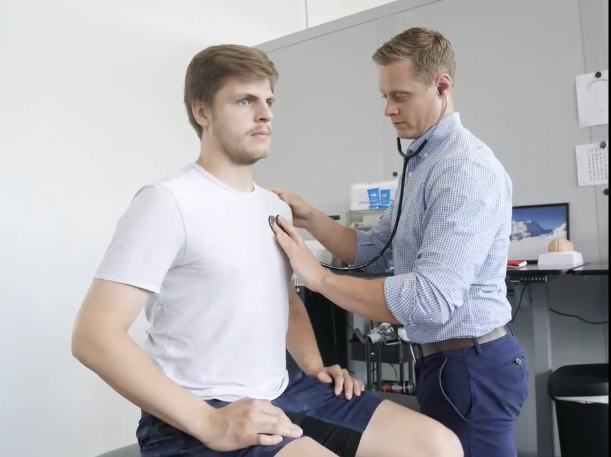
Neurological Exam
Comprehensive assessment of cranial nerves, reflexes, coordination, and sensory processing.
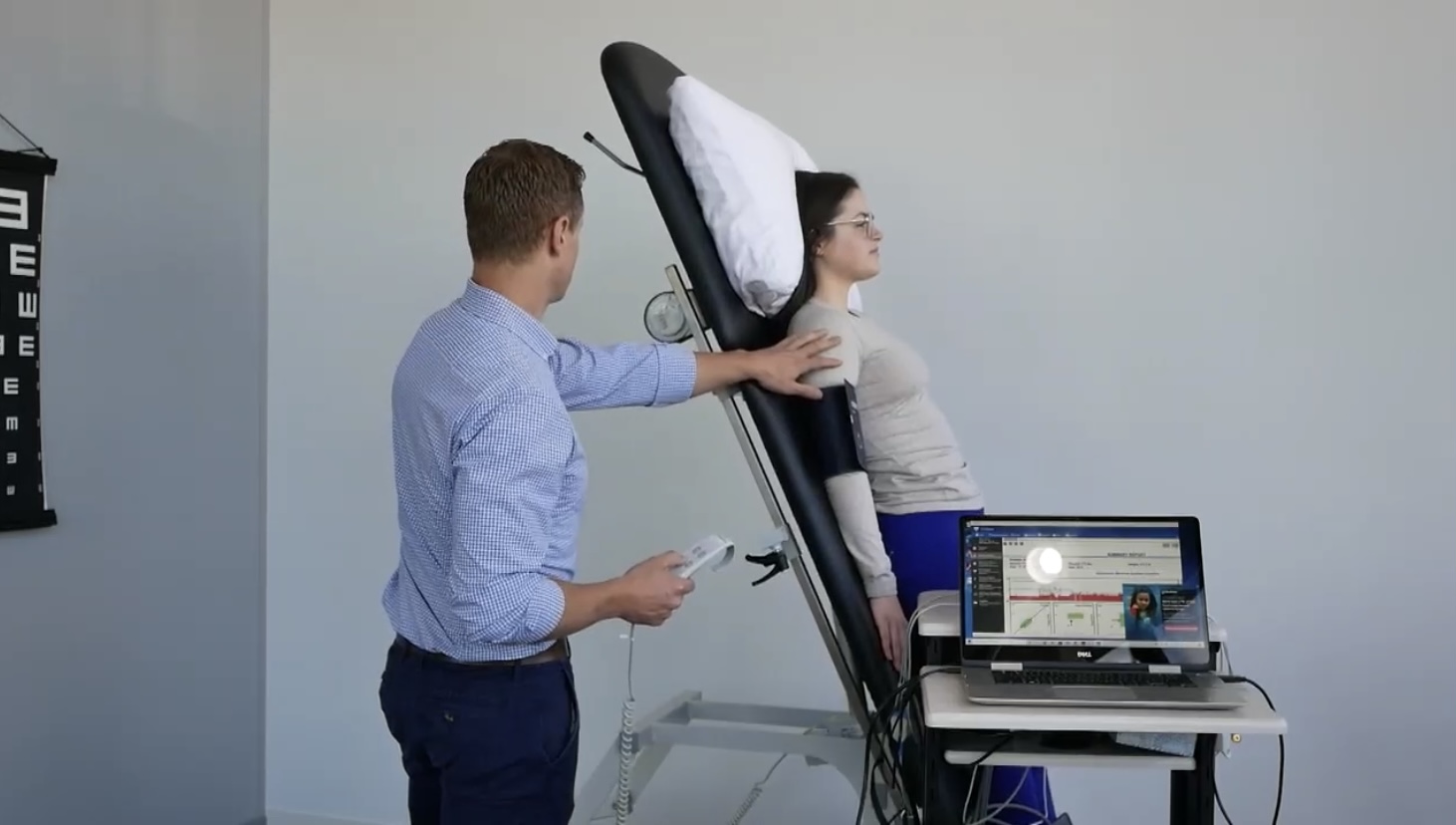
Autonomic Testing
Tilt table testing with continuous heart rate and blood pressure monitoring.
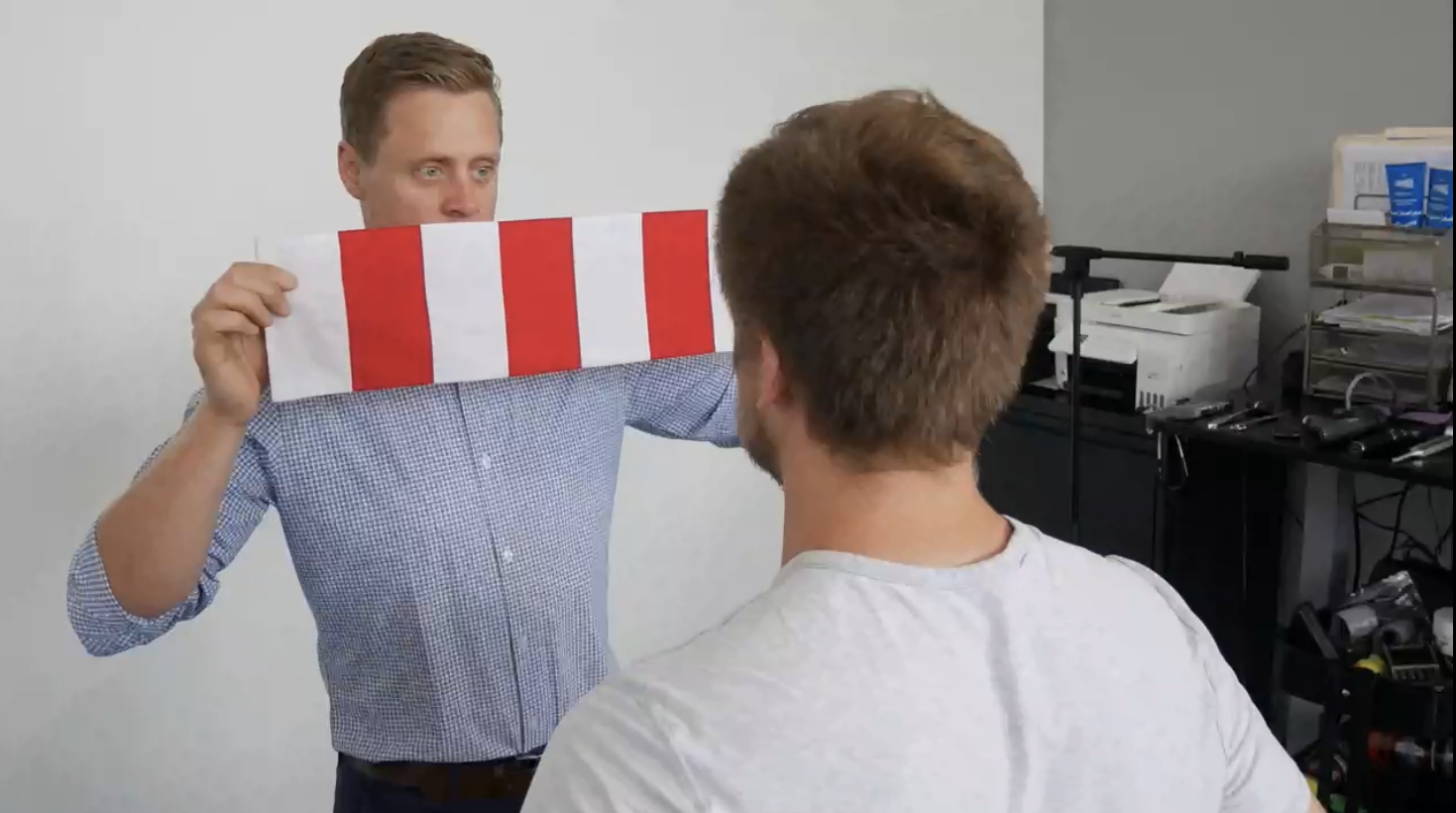
Oculomotor Testing
Video oculography and eye tracking to assess brain function through eye movements.

Neurovascular Testing
Transcranial Doppler measuring real-time blood flow to the brain during position changes.
Vestibular Testing
VNG, rotary chair, and posturography to assess balance system function.
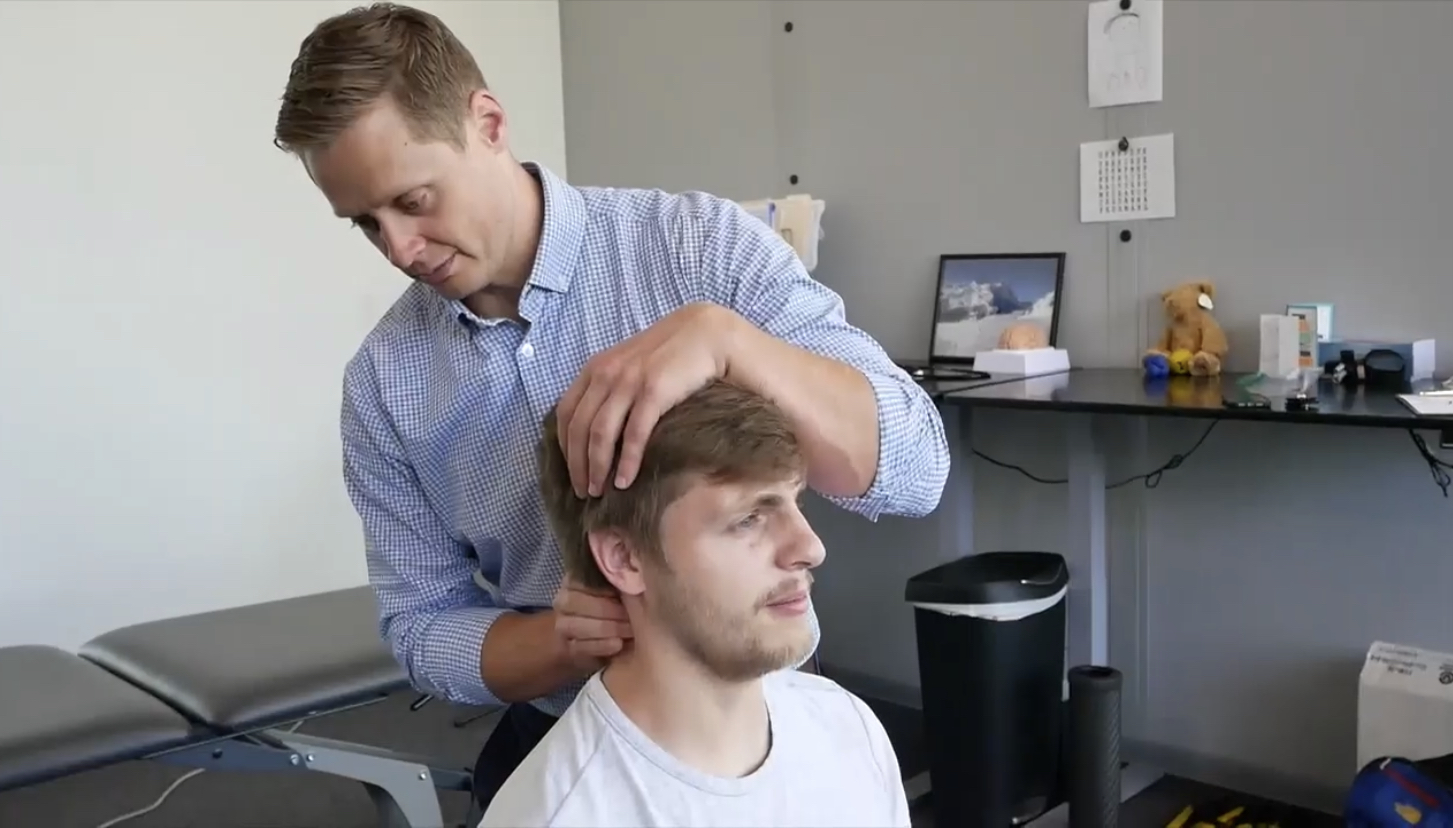
Structural Assessment
Dynamic evaluation of cervical spine and musculoskeletal contributors.
Report of Findings
After testing is complete, we sit down with you to explain exactly what we found. No medical jargon — we'll show you your results and explain what they mean in plain language.
You'll leave understanding:
- What mechanism is driving your symptoms
- Why previous treatments may not have worked
- What treatment approach we recommend
- Realistic expectations for improvement
Targeted Treatment
Treatment is customized to your specific findings. Depending on what we discover, your treatment plan may include:
- Vestibular rehabilitation — exercises to recalibrate balance system function
- Oculomotor therapy — targeted eye movement exercises to improve brain function
- Neurological rehabilitation — neuroplasticity-based approaches to restore function
- Chiropractic care — addressing structural contributors
- Home exercise programs — continuing progress between visits
Treatment intensity varies. Some patients benefit from intensive programs (multiple hours per day for 1-2 weeks), while others do better with less intensive, periodic visits.
Progress Monitoring & Follow-Up
We re-test periodically to objectively measure your progress. This isn't guesswork — we compare your post-treatment results to your baseline to document improvement.
Some follow-up can be done remotely via telehealth, reducing the need for repeated travel. We'll work with you to develop a plan that makes sense for your situation and location.
