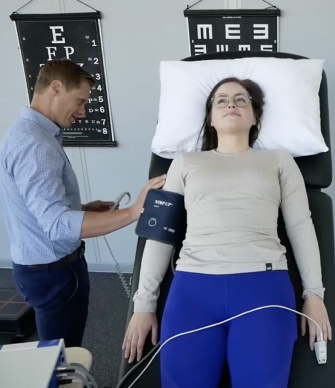
POTS & Dysautonomia
Postural Orthostatic Tachycardia Syndrome and other forms of dysautonomia involve dysfunction of the autonomic nervous system. Standard treatment focuses on blood volume — but that's only one of several possible mechanisms.
We test for the actual cause of your autonomic dysfunction:
- Neurovascular function via transcranial Doppler
- Vestibular and cerebellar contributions to autonomic control
- Structural issues affecting blood flow or nerve signaling
Once we identify your specific mechanism, we can target treatment appropriately — not just manage symptoms.
Learn more about our POTS approach
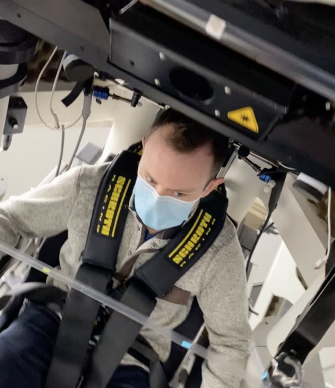
Post-Concussion Syndrome
Concussion symptoms that persist beyond the expected recovery window indicate that something in the brain isn't healing correctly. Standard advice to "rest and wait" doesn't address the underlying dysfunction.
We assess:
- Oculomotor function and eye movement control
- Vestibular processing and balance systems
- Cerebellar timing and coordination
- Cervical spine contribution to symptoms
Targeted neurological rehabilitation can restore function that rest alone cannot.
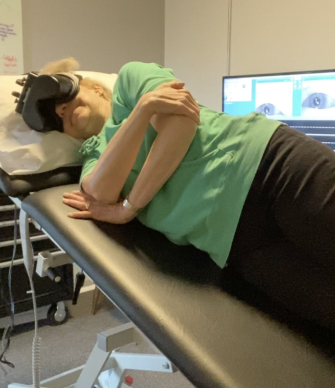
Vestibular Disorders
Dizziness, vertigo, and imbalance often stem from vestibular system dysfunction — but "vestibular disorder" is a broad category with many possible causes.
We use comprehensive vestibular testing including:
- Videonystagmography (VNG)
- Rotary chair testing
- Computerized dynamic posturography
- Oculomotor and gaze stability assessment
This allows us to identify exactly which component of your vestibular system is affected and design targeted rehabilitation.
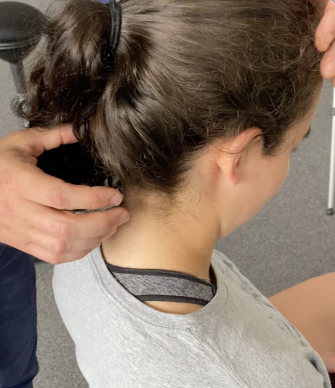
Migraines & Chronic Headaches
Migraines are often treated purely as a pain management problem. But migraine is a neurological event — and understanding the neurological triggers can open new treatment pathways.
We evaluate:
- Brainstem and trigeminal nucleus function
- Cervical spine contribution to headache patterns
- Visual processing and photosensitivity
- Autonomic and vascular components
Many patients who have failed medication management find relief through neurological rehabilitation approaches.
Movement Disorders
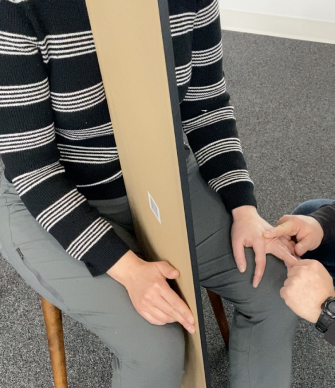
Tremor, dystonia, and other movement disorders involve dysfunction in the motor control circuits of the brain. While we can't cure degenerative conditions, we can often improve function through targeted rehabilitation.
Our approach focuses on:
- Cerebellar function and timing
- Basal ganglia contributions
- Proprioceptive and sensory integration
- Compensatory strategies and motor learning
Neurodevelopmental Disorders
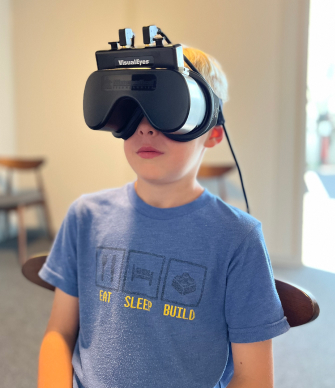
Children with developmental delays, learning difficulties, ADHD, and sensory processing challenges often have underlying neurological inefficiencies that can be addressed through targeted intervention.
We assess:
- Primitive reflex integration
- Visual and auditory processing
- Vestibular and proprioceptive development
- Cerebellar and frontal lobe function
Neuroplasticity-based approaches can help children develop more efficient brain function and improve their ability to learn and regulate.
