Home How this works POTS Post-Concussion Dysautonomia Long COVID ME/CFS Patient Success Education About us FAQ Plan Your Visit Schedule a Consultation
NEW POTS Roadmap: A guide to understanding what may be driving your symptoms Access the Roadmap

Find The Driver Behind
Your Neurological Symptoms

We are the neurological rehabilitation clinic that specializes in measuring and training the systems that regulate blood flow to the brain so you can restore function and escape the symptom management lifestyle.
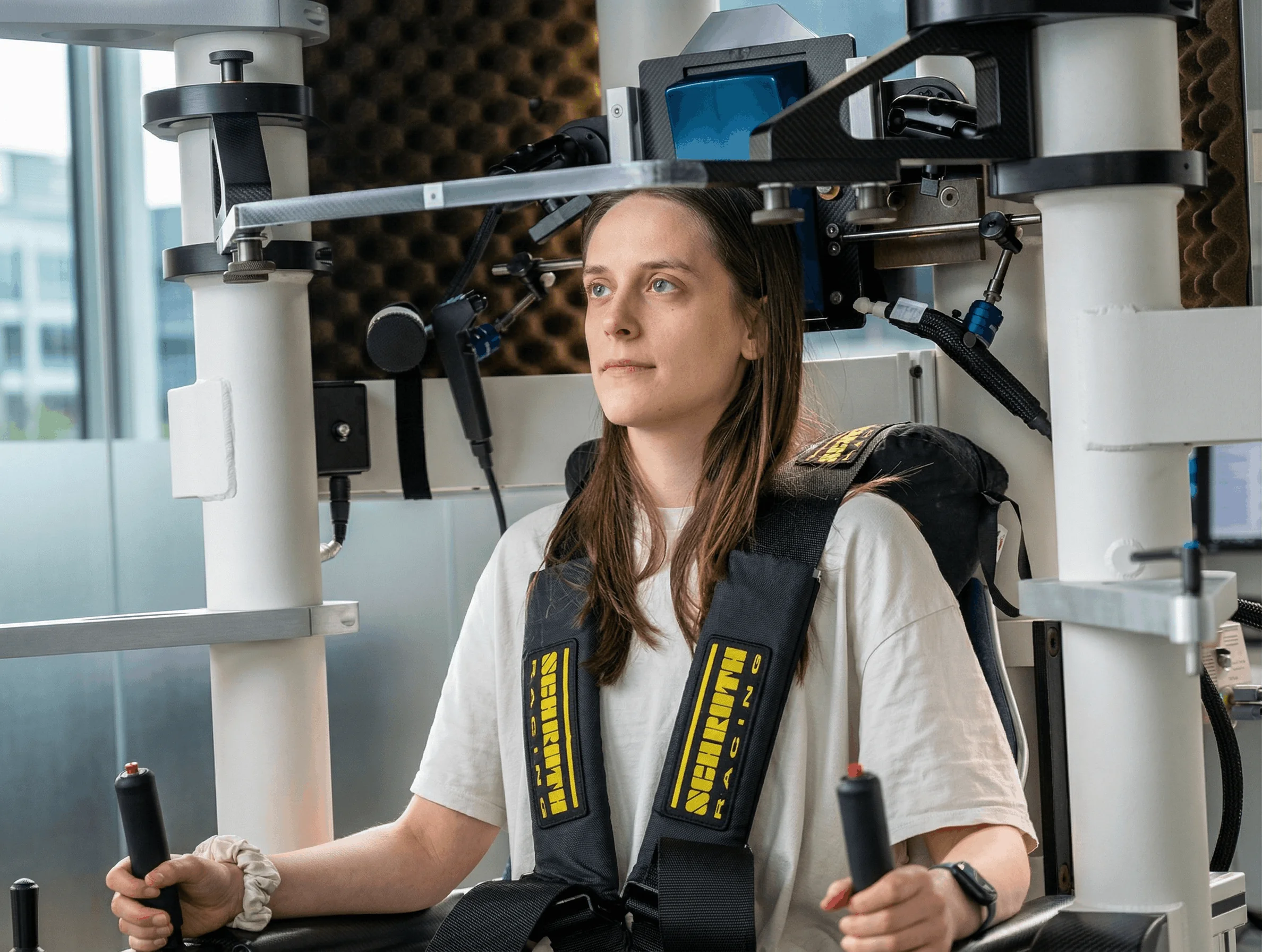
Patient on tilt table during neurological testing
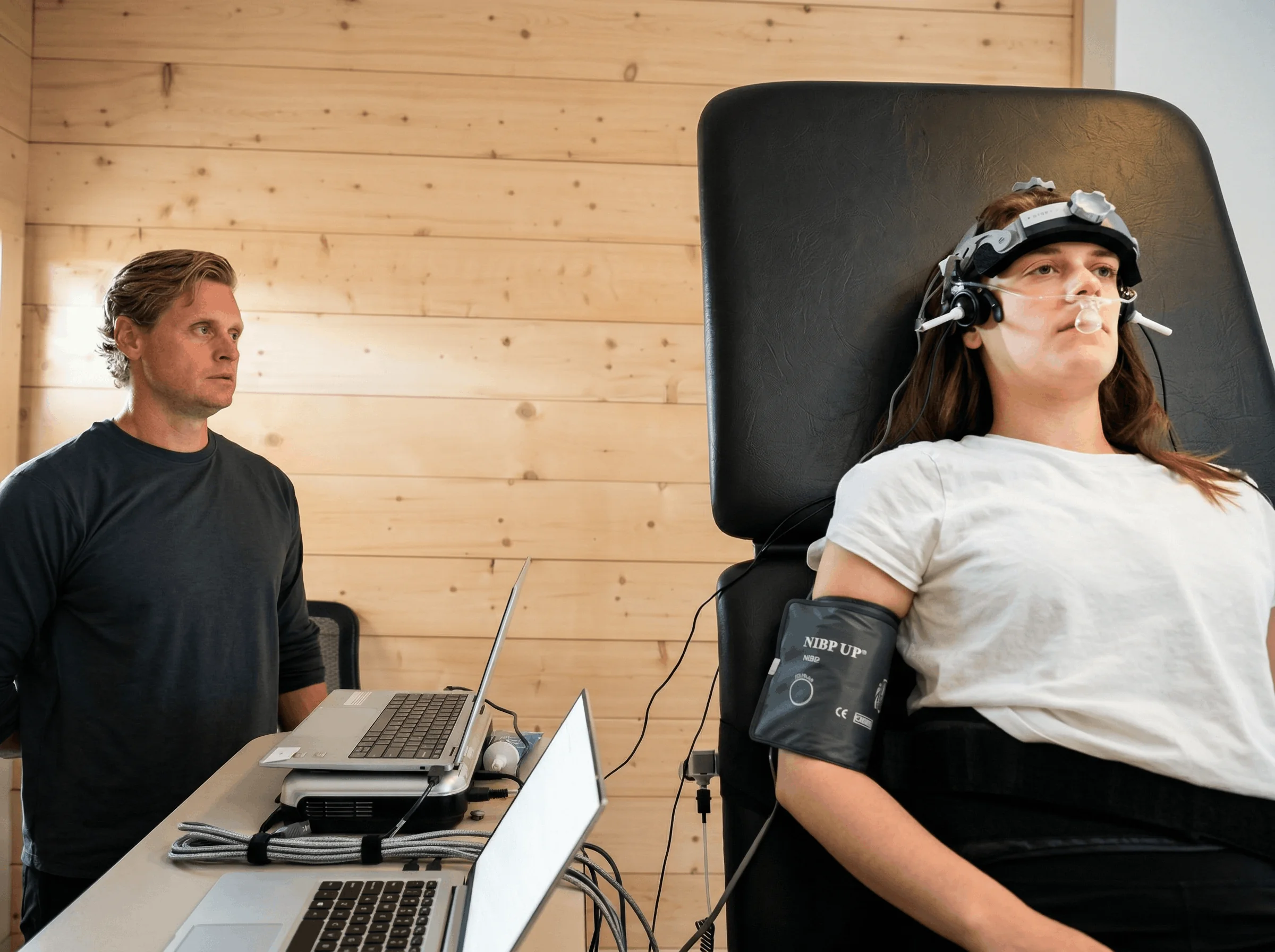
Clinician reviewing patient data during testing

Whatever the diagnosis, we start with measurement.

Patients may arrive with diagnoses like POTS, Concussion, Vertigo, ME/CFS, or Dysautonomia. We don't assume the label explains the problem. Our testing begins by measuring brain function, brain blood flow, and autonomic regulation under stress to understand what is actually driving the symptoms.

Patient undergoing video-oculography testing

How we go beyond the condition's label

Autonomic and cardiovascular icon

Autonomic & cardiovascular

+
Brain blood flow icon

Brain blood flow

The tilt table test is the standard in autonomic testing, but we do not view it as sufficient on its own. We combine autonomic testing with tools more often seen in state-of-the-art research settings to measure how blood flow to the brain is being regulated under stress, use those findings to guide treatment, and then measure progress throughout your visit.

  • Orthostatic vitals / tilt table testing
  • Deep breathing and Valsalva
Visual, balance and movement icon

Visual, balance, and movement

  • Video-oculography
  • Pupil response testing
  • Balance testing
  • Vestibular testing
  • Oculomotor testing
  • Cognitive challenges
Clinical evaluation icon

Clinical evaluation

  • Bedside neurological exam
  • Cranial nerve testing
  • Cervical spine instability assessment
  • Sensory processing evaluation
  • Full patient history evaluation

What this looks like in practice

"Dr. K is completely different from any other provider I have seen. You will leave his office with a concrete plan and path to follow towards recovery."

— LM, New York

"You are a huge reason why I was able to even contemplate being able to run effectively again. I truly can't articulate what you have done for me."

— S.R., Maryland

There are reasons nothing has worked yet

It's not about your effort. It's not about collecting a new diagnosis. The reason your symptoms feel like a mystery is because standard protocols only serve to diagnose symptoms, not dig deeper into what's causing them.

01

The symptom isn't the problem

A racing heart, brain fog, dizziness, fatigue — these are what your body produces when a deeper system can't regulate. Suppressing them provides temporary relief at best, but doesn't address the reasons they exist in the first place.

02

The real issues were never even looked for

Standard workups never go beyond static imaging, bloodwork, and orthostatic vitals. In complex neurological conditions, this barely scratches the surface. Your nervous system is a multi-sensory network, and needs thorough investigation in a real world setting.

03

What the diagnosis misses

POTS, PCS, ME/CFS, etc — these describe what you're experiencing. They don't explain why. We treat these conditions by measuring the systems involved with them: blood flow to the brain, autonomic control, and neurological reflexes. When you can see what changes the system in real time, you can build a plan that actually addresses the real problem.

See How This Works

What sets us apart

Hands-on cervical examination

Empathy & Compassion

We take the time to listen closely to your symptoms and challenges. No appointment is rushed. We treat the person, not the diagnosis.

Patient in Neuro20 rehabilitation chair

Partnership = Results

We partner with you to develop an effective plan and track progress together. Our best outcomes come from patients who are active participants.

Targeted laser rehabilitation treatment

No False Hopes

We are honest if we believe another doctor is better suited to help. We promise to be straightforward with you about realistic expectations.

Patient Success Stories

Treatment starts with what your data shows.

We don't use one protocol for every diagnosis. Your testing helps us identify which systems are underperforming, compensating, or breaking down. From there, we build a treatment plan designed around the pattern we actually find.

That may include targeted neurological rehabilitation, visual and vestibular therapy, autonomic retraining, cervical and postural work, along with guided progression based on how you respond.

Become
a patient

Schedule a consultation to learn whether deeper testing and individualized rehabilitation may be the right next step for you.