Testing and Diagnosis Articles

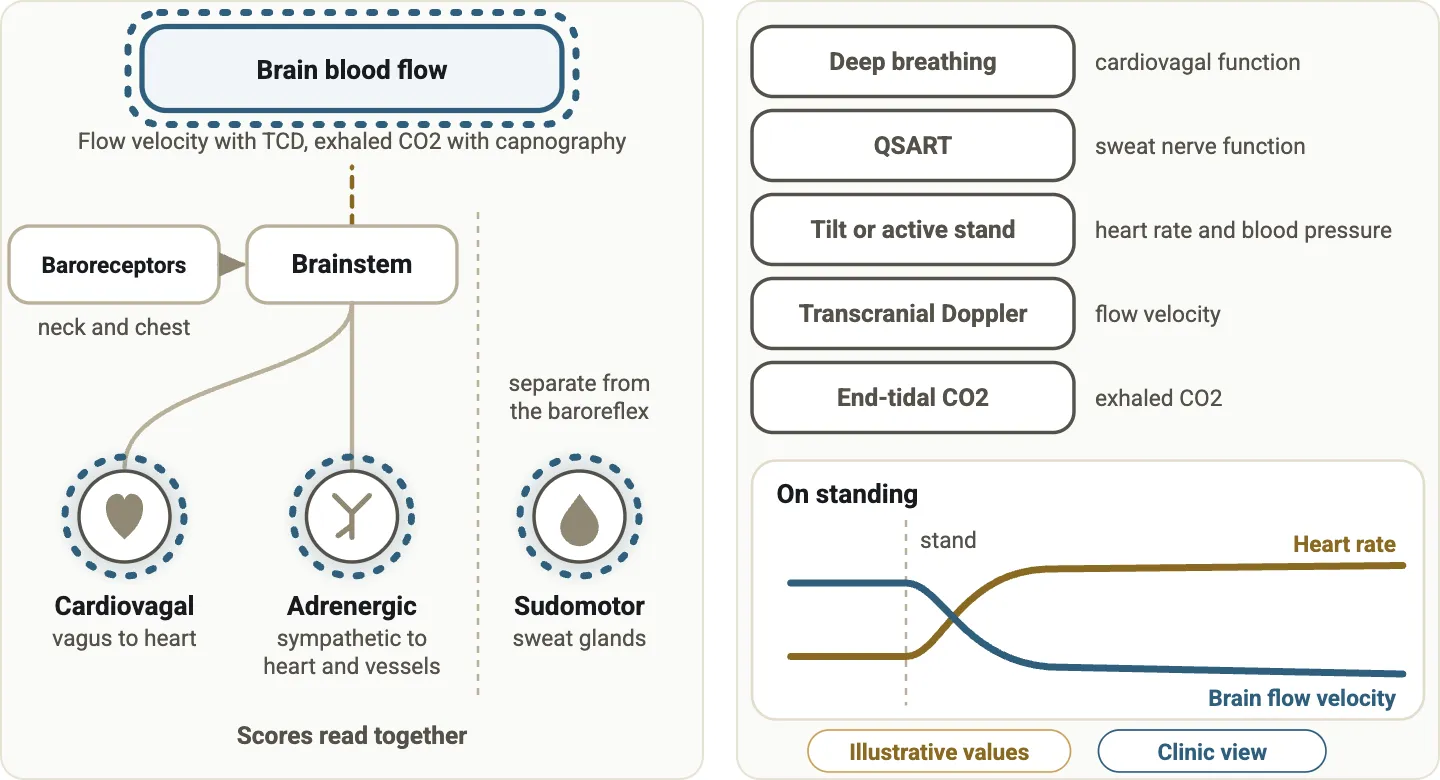
A tilt table can show that something goes wrong when you stand. It rarely shows why. Start with how POTS gets diagnosed, then why results can look normal while you feel awful, and what else our team measures, including blood flow to your brain.

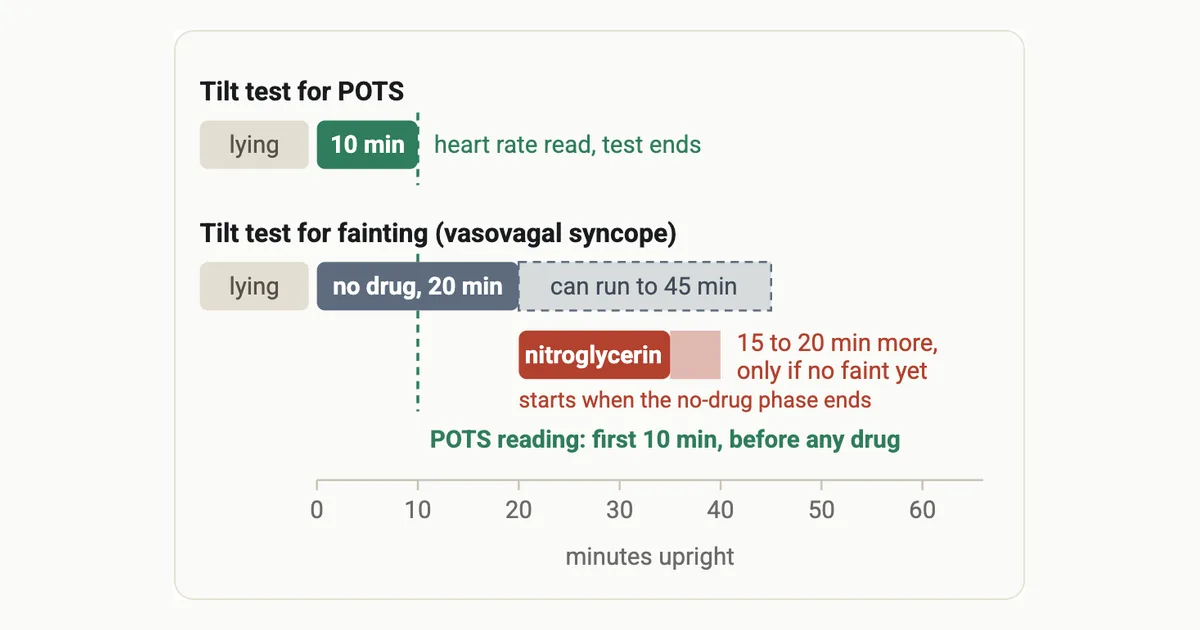
Tilt Table Test for POTS: How Long It Takes, Nitroglycerin and Results

How is POTS diagnosed?

Autonomic Testing for POTS: What Each Test Measures
Dysautonomia

Autonomic Testing for POTS: What Each Test Measures

Autonomic testing for POTS checks heart rate, blood pressure and sweat nerve reflexes. Learn what each test measures, what results mean and what they miss.

POTS vs OCHOS: Why the 30 BPM Line Doesn't Mean What You Think
Dysautonomia

POTS vs OCHOS: Why the 30 BPM Line Doesn't Mean What You Think

POTS and OCHOS share one core problem: reduced cerebral blood flow. The 30 BPM threshold dividing them is a 40-year-old artifact, not a biological boundary.

POTS Without the T: When You Have Every Symptom But Don't Qualify
Dysautonomia

POTS Without the T: When You Have Every Symptom But Don't Qualify

If your blood pressure looks normal and your heart rate doesn't quite qualify, you've been told nothing is wrong. Here's what the standard test misses.

Why did my tests come back normal?

POTS Symptoms: Why They Don't Match Your Autonomic Test Results
Dysautonomia

POTS Symptoms: Why They Don't Match Your Autonomic Test Results

A 2024 study of 2,627 patients found POTS and dysautonomia symptom surveys don't match objective autonomic testing. Here's what that gap really means.

Your Tests Came Back Normal. You're Clearly Not.
Dysautonomia

Your Tests Came Back Normal. You're Clearly Not.

Free guide: the 4 mechanisms your doctors aren't testing for, and how to find which one is keeping you sick. From The Keiser Clinic.

What Doctors Are Missing in POTS Cases
Dysautonomia

What Doctors Are Missing in POTS Cases

Why so many POTS cases get dismissed, why clean labs don't mean you're fine, and how a brain-first approach finds what standard workups miss.

Orthostatic Cerebral Hypoperfusion Syndrome: When Your Brain Loses Blood Flow but Every Test Looks Normal
Dysautonomia

Orthostatic Cerebral Hypoperfusion Syndrome: When Your Brain Loses Blood Flow but Every Test Looks Normal

Orthostatic cerebral hypoperfusion syndrome (OCHOS) is a measurable drop in brain blood flow on standing. Learn how it differs from standard POTS.

Why So Many Dysautonomia Patients Are Misdiagnosed and Mistreated
Dysautonomia

Why So Many Dysautonomia Patients Are Misdiagnosed and Mistreated

A POTS diagnosis can be a relief, but for many the treatments still don't work. Here's why, and what understanding your specific mechanism changes.

What else can be measured?

Transcranial Doppler (TCD) Test: What It Shows in POTS
Dysautonomia

Transcranial Doppler (TCD) Test: What It Shows in POTS

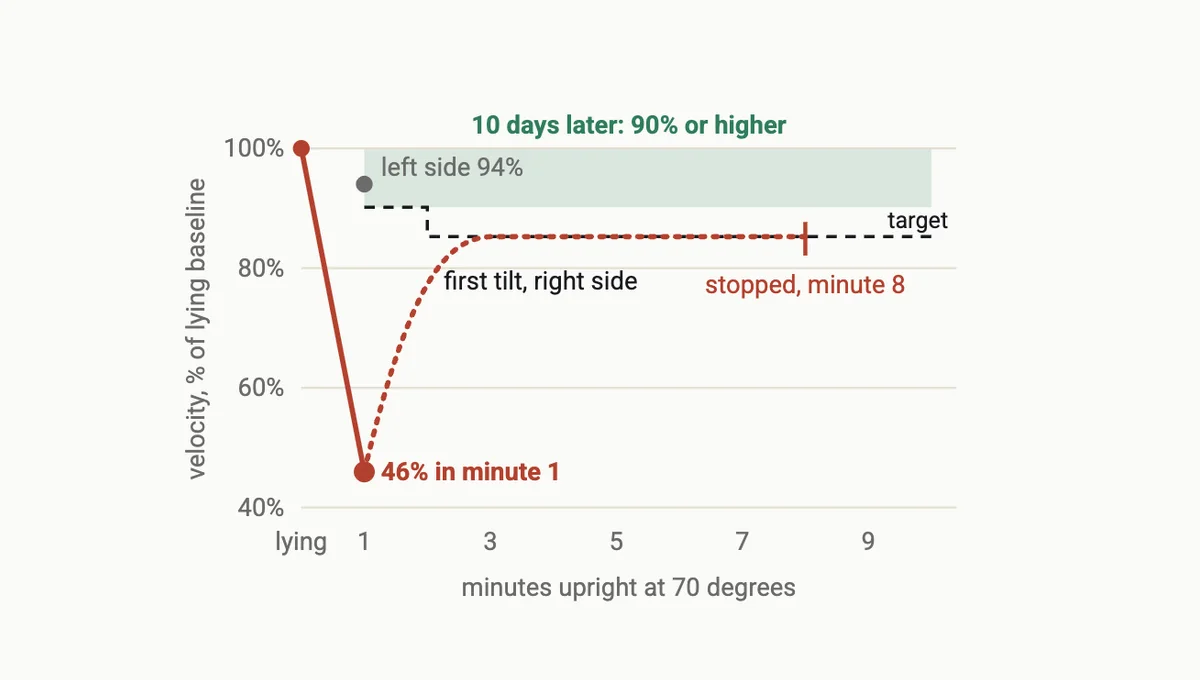
A transcranial Doppler tracks how fast blood moves to your brain as you're tilted upright, and shows whether it drops in POTS and by how much.

Carbon Dioxide: One of the Most Important Metrics for Brain Blood Flow
Dysautonomia

Carbon Dioxide: One of the Most Important Metrics for Brain Blood Flow

CO2 isn't a waste product. It's a key signal your brain uses to regulate blood flow. Why we measure ETCO2 on the tilt table, and what low CO2 feels like.

Hypocapnic Cerebral Hypoperfusion: The POTS Mechanism Nobody Is Talking About
Dysautonomia

Hypocapnic Cerebral Hypoperfusion: The POTS Mechanism Nobody Is Talking About

Hypocapnic cerebral hypoperfusion (HYCH) is a drop in brain blood flow caused by low CO2.

Dysautonomia Physical Exam: The Bedside Neurological Tests
Dysautonomia

Dysautonomia Physical Exam: The Bedside Neurological Tests

The bedside neurological exam our team pairs with autonomic testing: pulses, reflexes, eye movements, and what each reveals about POTS and dysautonomia.

What Part of the Brain Controls Eye Movements?
Neurology

What Part of the Brain Controls Eye Movements?

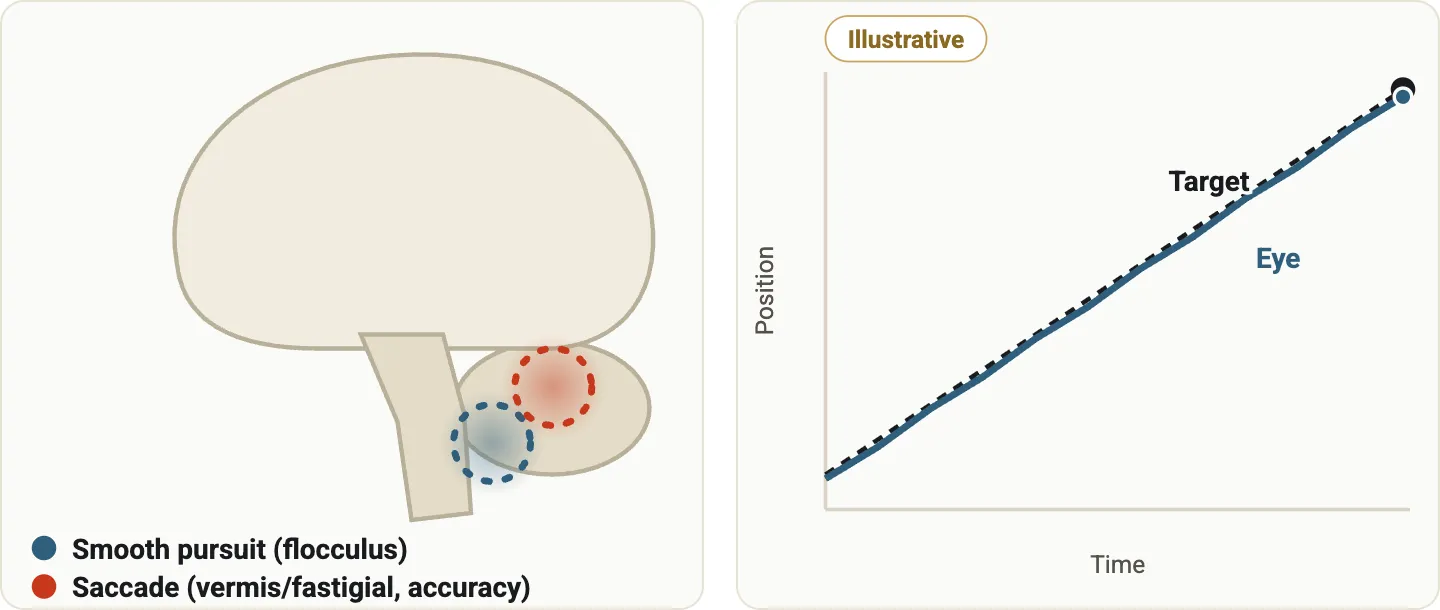
Eye movements run on brainstem, cerebellar and frontal circuits. See what the cerebellum adds and what slower pursuit looked like in one concussion study.

Proof That the Brain Controls the Autonomic System
Neurology

Proof That the Brain Controls the Autonomic System

Proof that the brain controls the autonomic system, using eye movements, cerebral blood flow data, and real patient outcomes from targeted brain rehab.

What about ME/CFS and other labels?

How to Actually Diagnose Chronic Fatigue Syndrome
Dysautonomia

How to Actually Diagnose Chronic Fatigue Syndrome

ME/CFS isn't just fatigue. How chronic fatigue syndrome is properly diagnosed, what testing reveals about the brain, and why finding the mechanism matters.

Why Your Diagnosis Label Might Be Holding You Back
Neurology

Why Your Diagnosis Label Might Be Holding You Back

CFS, POTS, and ME/CFS syndrome labels describe symptoms, not causes. Moving from syndrome to mechanism is the key to effective treatment.

POTS vs Anxiety: How to Tell Which Is Causing Your Symptoms
Dysautonomia

POTS vs Anxiety: How to Tell Which Is Causing Your Symptoms

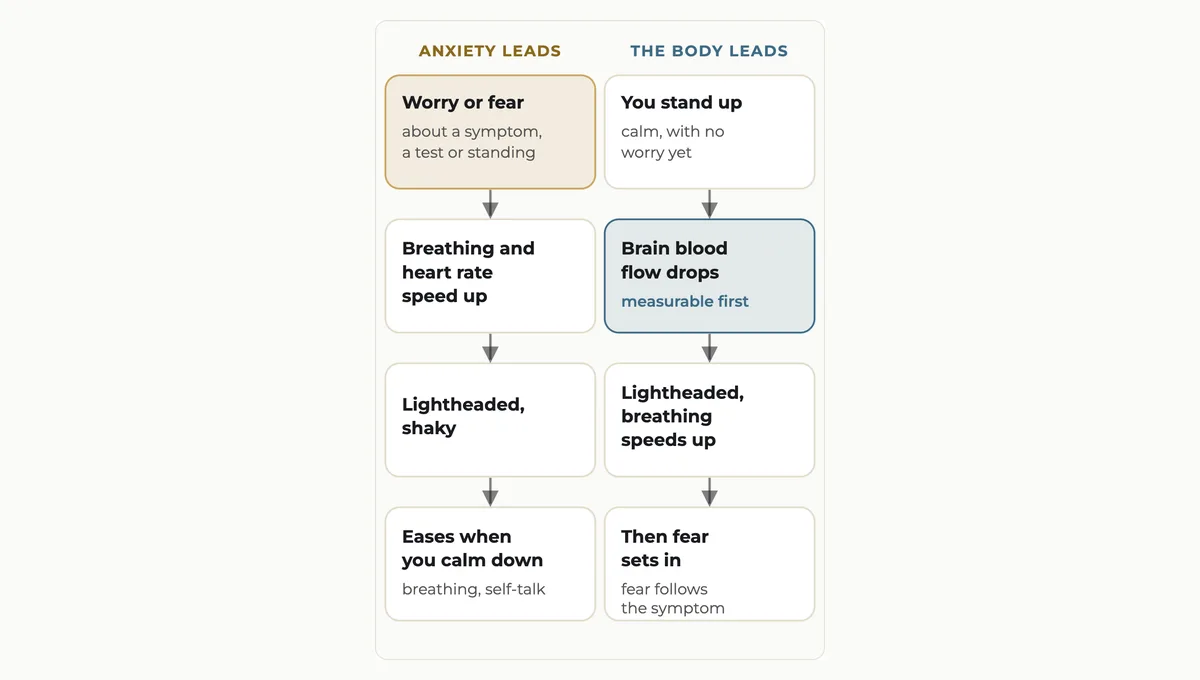
POTS or anxiety? How to tell which comes first, why POTS is so often misdiagnosed as anxiety, what testing shows, and a case where the body led.

FND and POTS: How They're Linked and How to Tell Them Apart
Neurology

FND and POTS: How They're Linked and How to Tell Them Apart

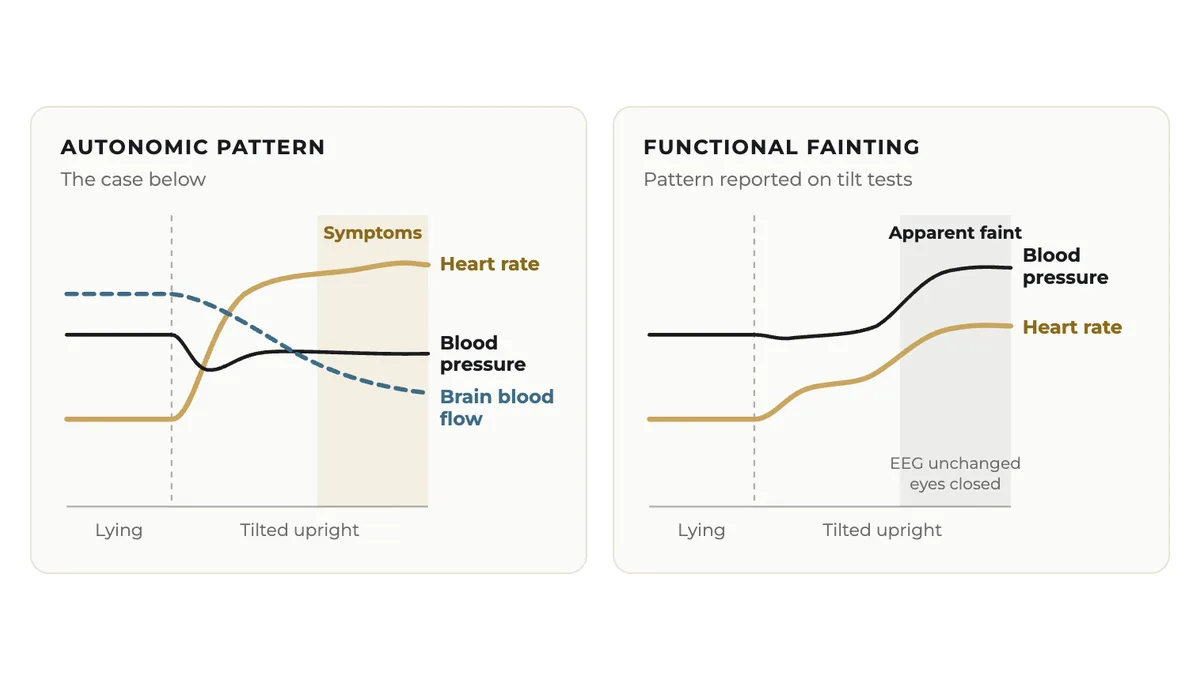
FND and POTS can show up together. What FND is, how it differs from POTS, why standing can make FND symptoms worse, and what a tilt test can show.

How do I know if treatment is working?

How to Know If Your POTS Is Actually Improving
Dysautonomia

How to Know If Your POTS Is Actually Improving

How to know if your POTS is actually improving using cerebral blood flow data, not just symptoms. A case study shows why BP meds may worsen perfusion.

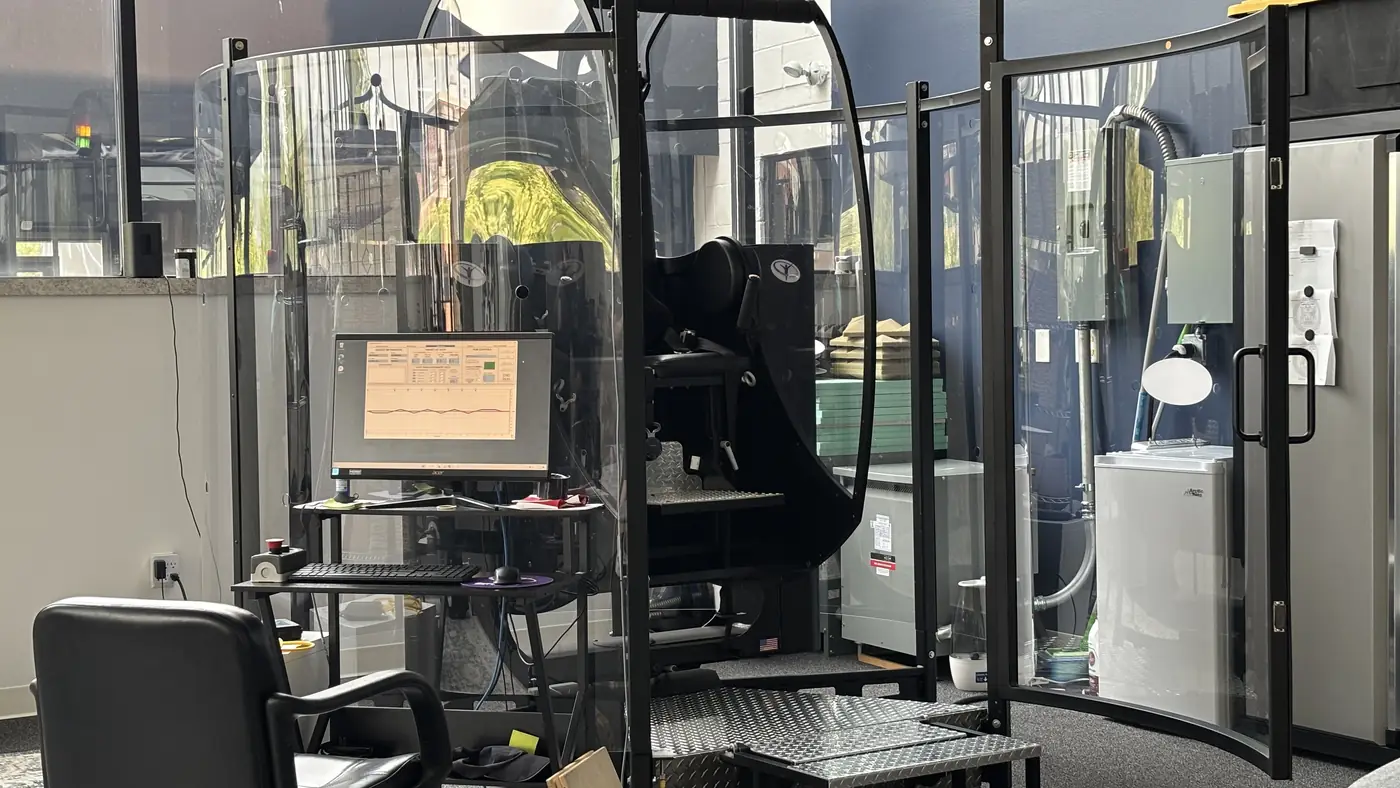
To see the testing itself, take the 3D tour of autonomic testing.

Get Your POTS & Dysautonomia Roadmap

A free guide to understanding what's actually happening in your brain, and what to do about it.

Get the Free Roadmap