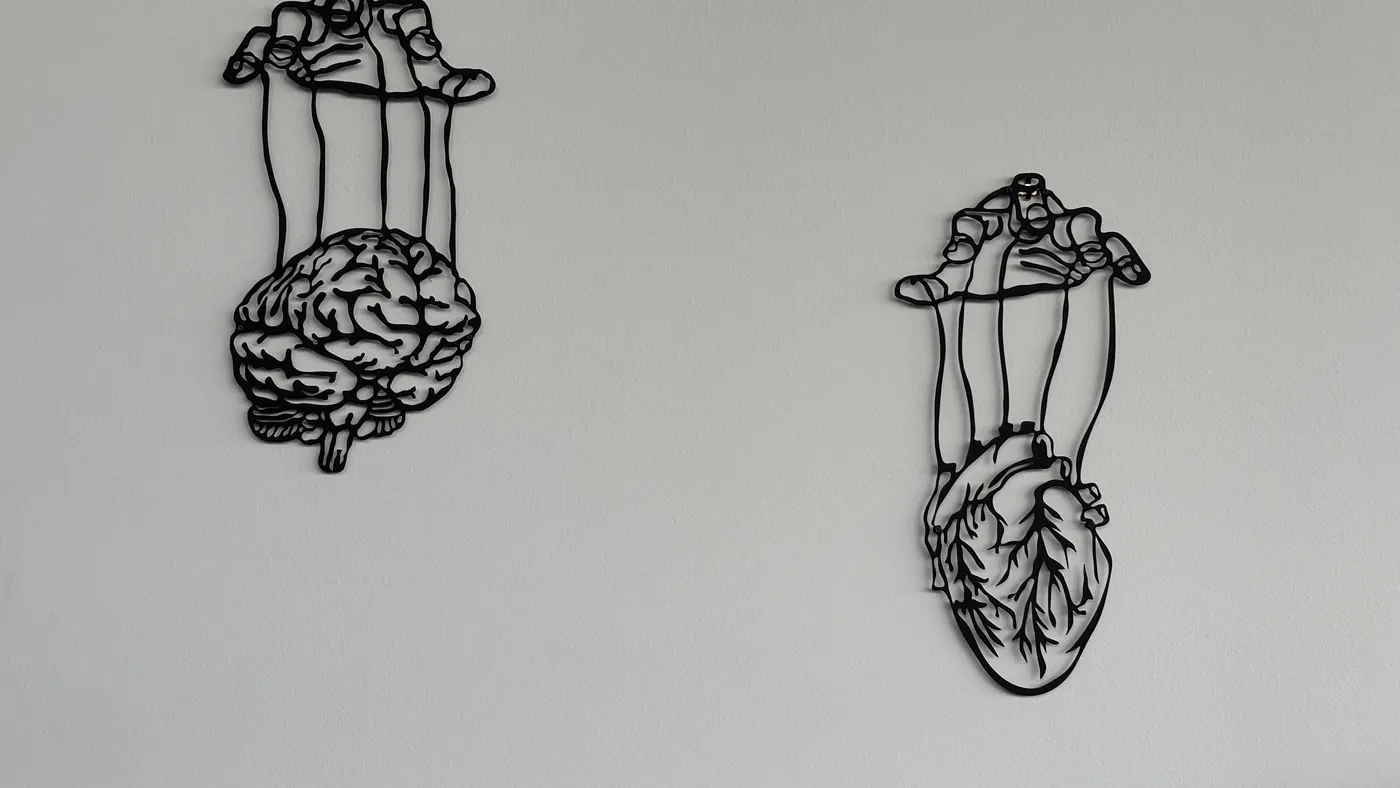
Our team sees one problem under most POTS, dysautonomia and ME/CFS symptoms: the brain can't keep its blood flow steady when you stand. Your CO2 level, your posture and your neck all change that flow, and each one can be measured.

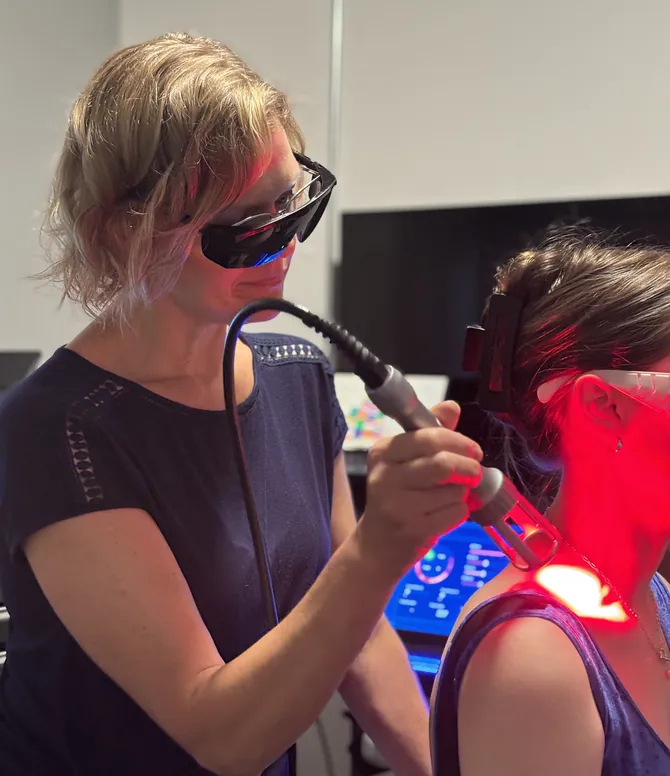
Your brain has its own blood flow control system. Learn why that matters for POTS and why normal blood pressure doesn't guarantee normal brain blood flow.
Read Article
Cerebral hypoperfusion means too little blood reaching the brain. What hypoperfusion is, symptoms, causes, why normal blood pressure misses it, and tests.

Proof that the brain controls the autonomic system, using eye movements, cerebral blood flow data, and real patient outcomes from targeted brain rehab.

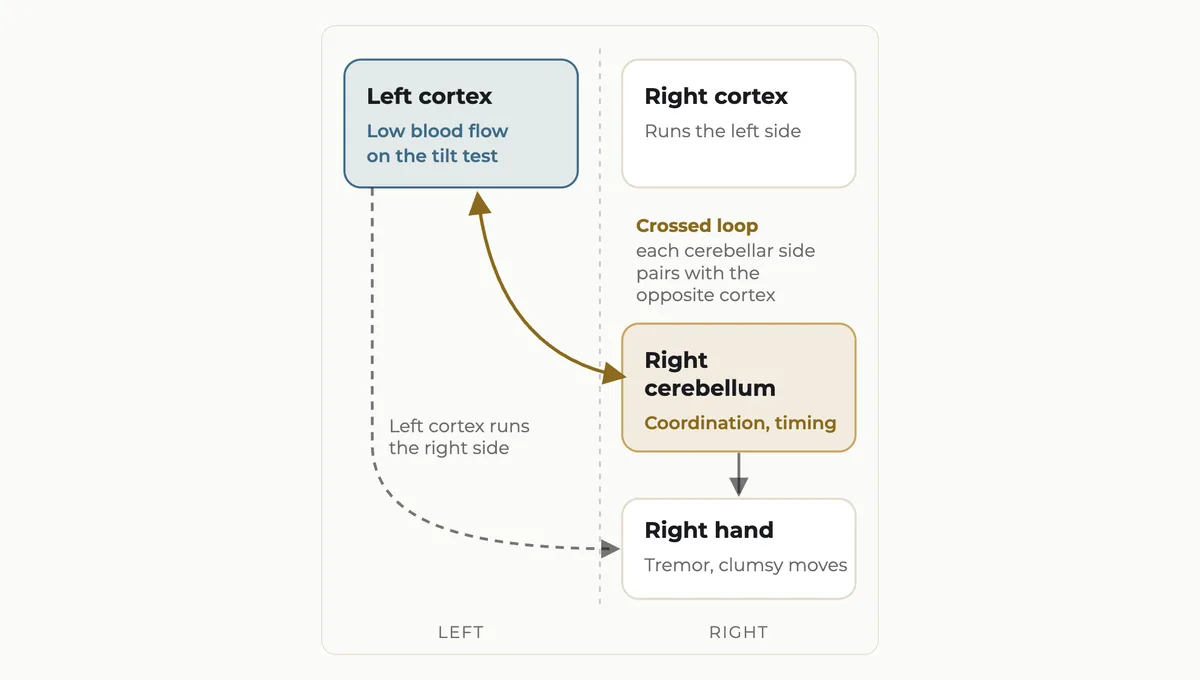
Cerebellar dysfunction causes dysautonomia and POTS. Learn how the cerebellum regulates autonomic reflexes and how eye movement testing reveals it.

Your heart races when you stand because your brain is losing blood flow, a measurable regulation failure, not anxiety. Here's what's actually happening.

Orthostatic cerebral hypoperfusion syndrome (OCHOS) is a measurable drop in brain blood flow on standing. Learn how it differs from standard POTS.

POTS and OCHOS share one core problem: reduced cerebral blood flow. The 30 BPM threshold dividing them is a 40-year-old artifact, not a biological boundary.

Blood pooling is blood collecting in your legs, feet or hands when you're upright. What it looks like, when it's normal, and what causes it in POTS.

POTS isn't just about heart rate. Learn why it's really a brain coordination problem, and why treating it as a heart condition misses the mechanism.

CO2 isn't a waste product. It's a key signal your brain uses to regulate blood flow. Why we measure ETCO2 on the tilt table, and what low CO2 feels like.

Hypocapnic cerebral hypoperfusion (HYCH) is a drop in brain blood flow caused by low CO2.
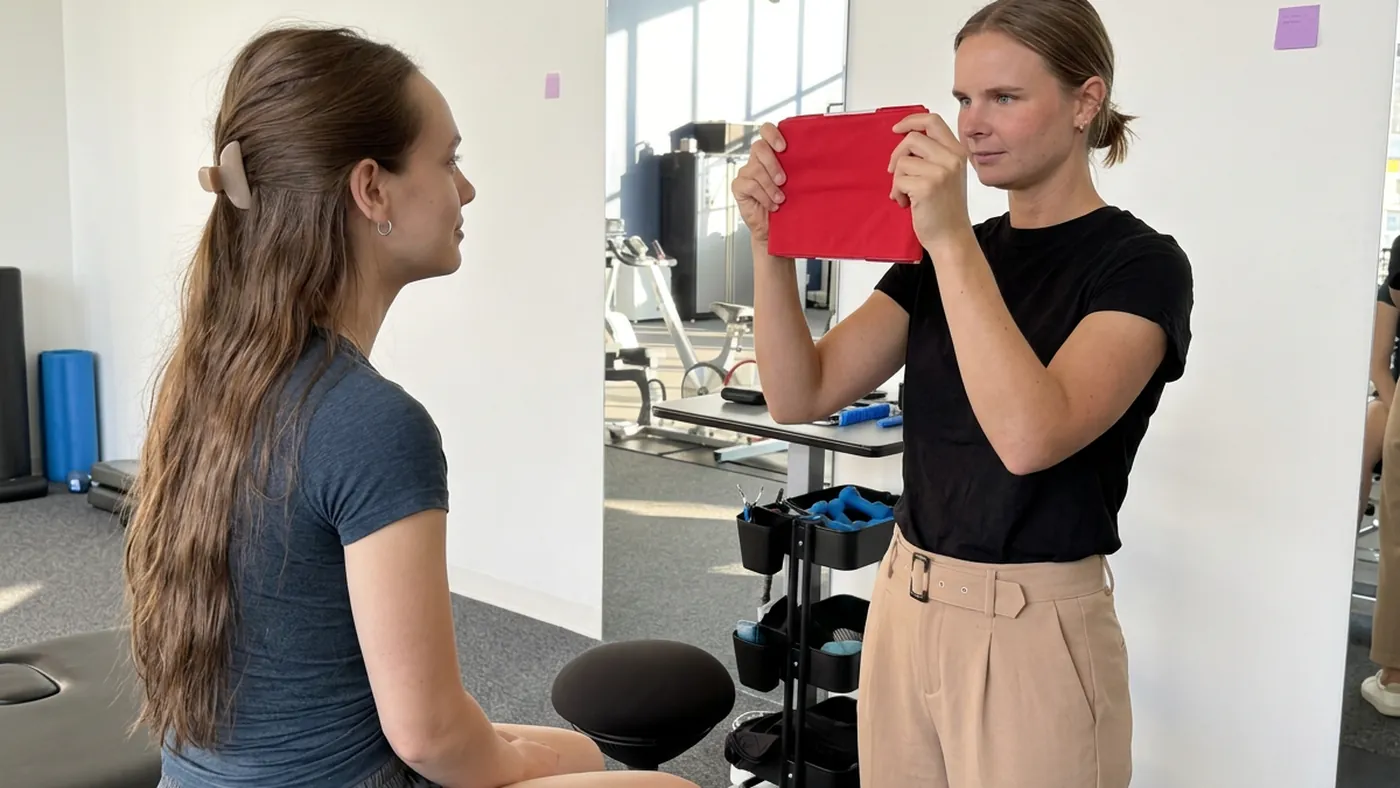
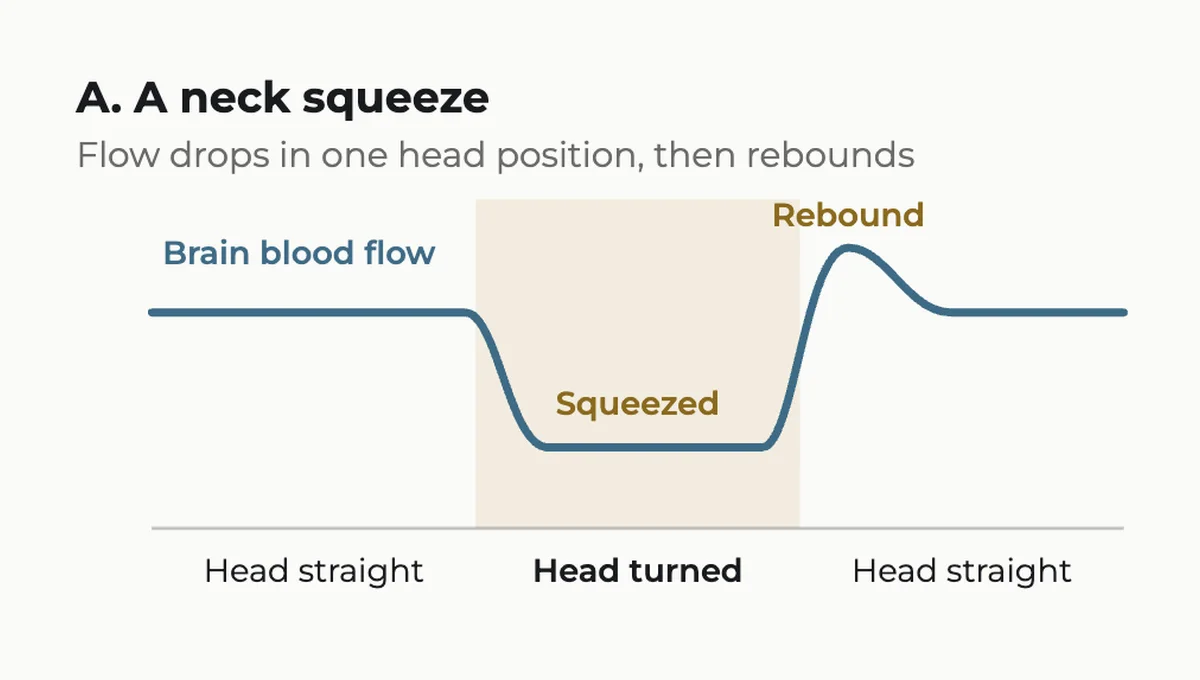
Tight muscles, posture and the bones of your neck can squeeze the arteries to your brain. What research shows, who gets symptoms, and how our team tests it.

Neck problems can cause brain fog, memory trouble, dizziness and POTS symptoms. See the 7 ways cervical joint errors reach the brain and how they're tested.

Neck stiffness with dysautonomia isn't random. Learn the neurological connection between your neck, vestibular system, and autonomic symptoms.

Ear fullness, popping, or a heartbeat in your ear with POTS? It often traces to how blood drains from your head, not just your eustachian tubes.
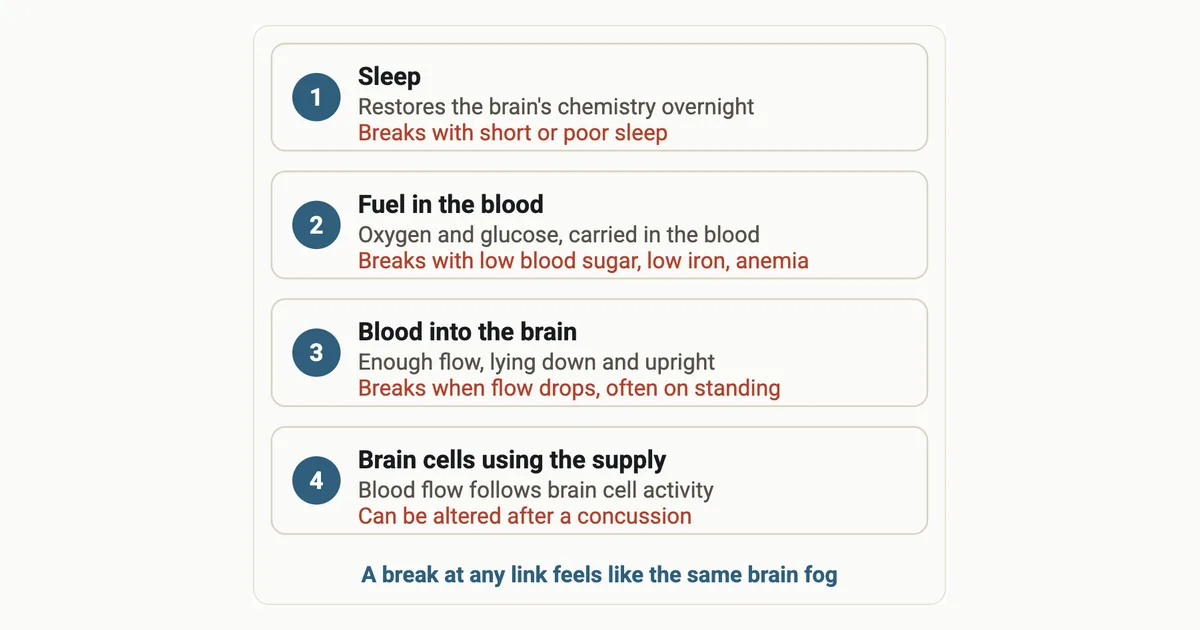
What causes brain fog, why it can get worse when you stand or drive, and how to find which link in your brain's supply chain is weak.

POTS fatigue and brain fog aren't laziness. Dr. Keiser explains why reduced cerebral blood flow starves your brain of fuel and what testing can reveal.

Feeling detached from reality with POTS or dysautonomia? Derealization is often a blood-flow and vestibular signal, not just anxiety. What it means.
Why exercise feels so hard with POTS: the symptoms, what research shows about the heart and fitness, what our team finds in the brain, and what helps.
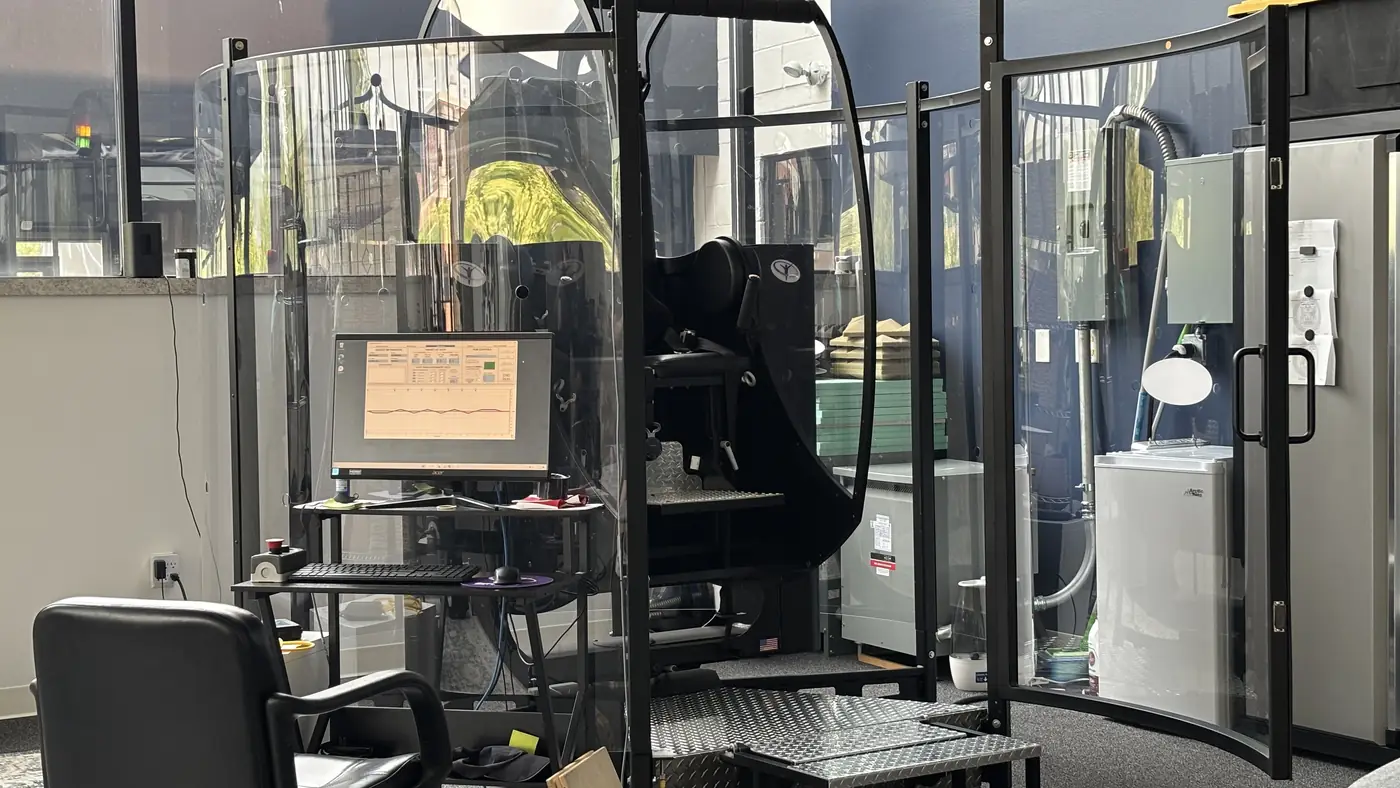
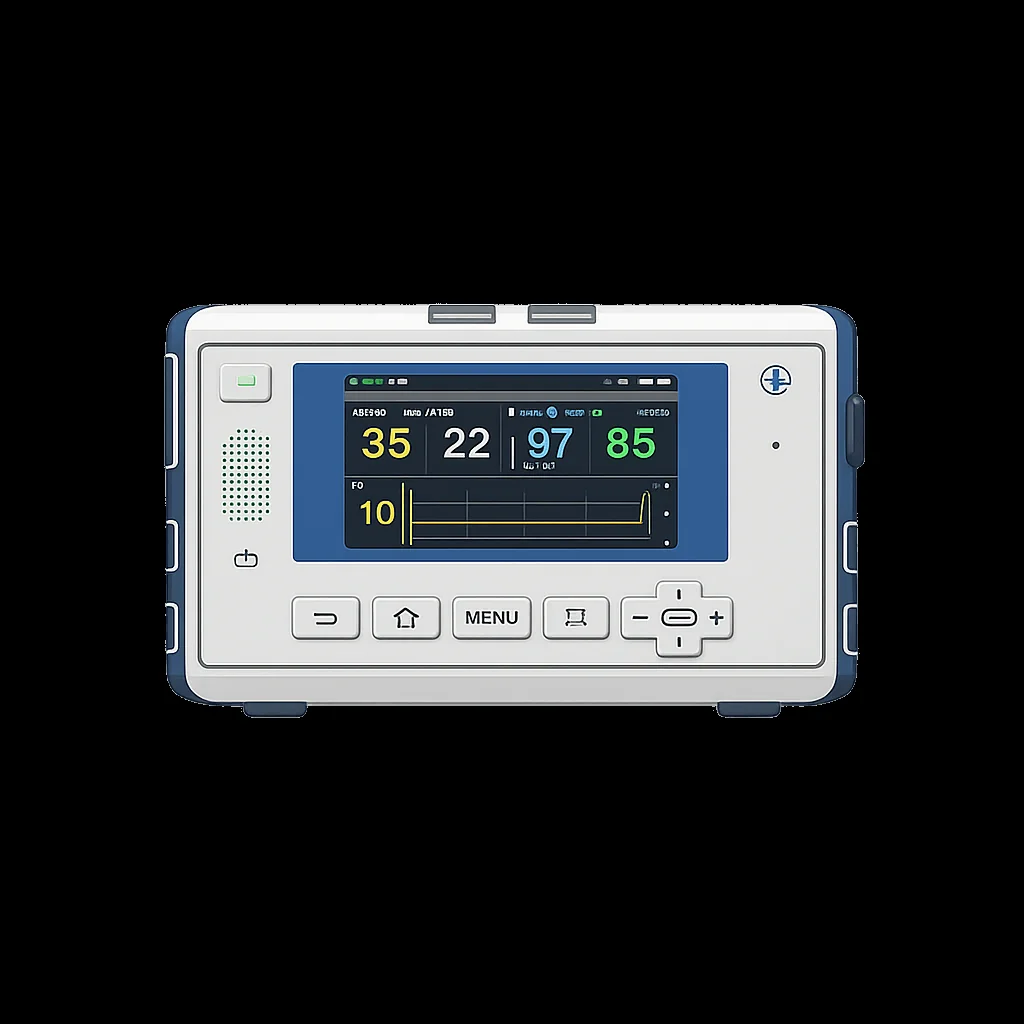
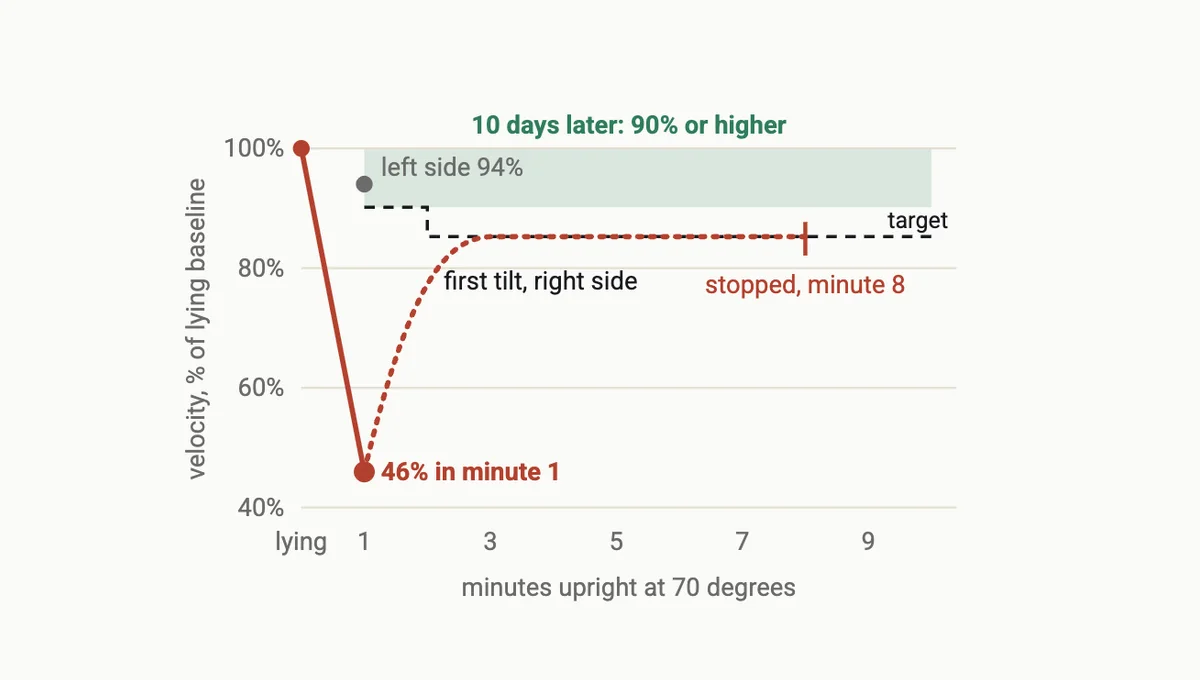
A transcranial Doppler tracks how fast blood moves to your brain as you're tilted upright, and shows whether it drops in POTS and by how much.
For how this plays out in each condition, see the POTS, ME/CFS and long COVID pages.
A free guide to understanding what's actually happening in your brain, and what to do about it.
Get the Free Roadmap