If you have POTS, you've probably been told your heart rate is the issue. It spikes when you stand up, and the standard approach is to slow it down — with beta blockers, salt, compression, whatever works.
But what if the elevated heart rate isn't the problem at all? What if it's your body's intelligent attempt to solve a different problem?
Your Heart Is Trying to Save the Day
When blood flow to your brain drops, your heart does the one thing it knows how to do: beat faster.
“When she stands up and you're having a decrease in blood flow to your head, your heart's going to do the one thing it knows how to do in order to try to keep blood flow there — which is increase your heart rate. So the tachycardia that she was experiencing makes sense based on the other findings of the tilt test.”
The tachycardia isn't random. It isn't your nervous system "overreacting." It's a compensatory response to insufficient cerebral blood flow.
The Real Issue: Blood Flow to Your Brain
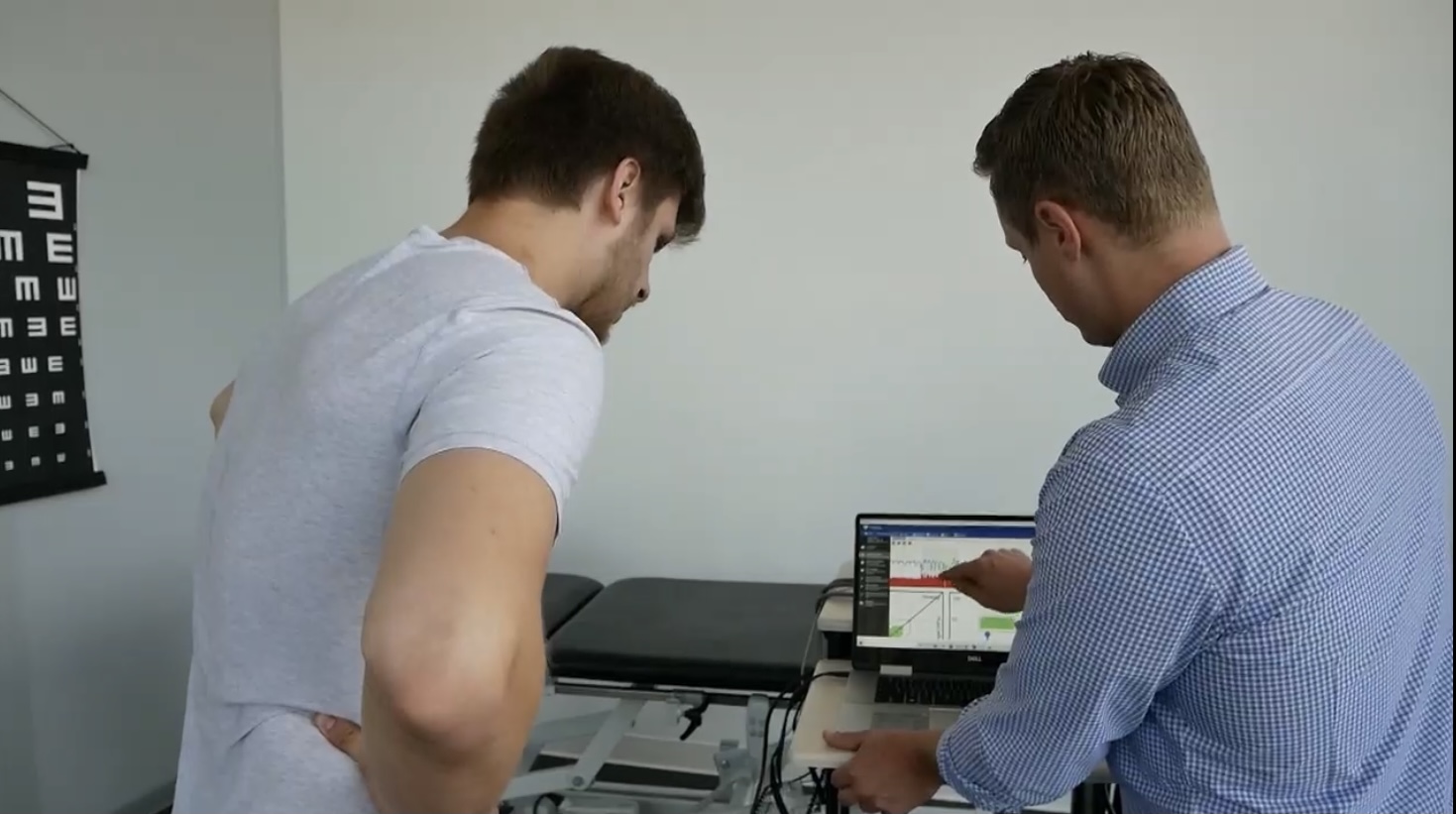
When we measure patients on a tilt table with transcranial Doppler (which tracks blood velocity through the brain's arteries), we often see the same pattern: blood flow drops when they stand, and heart rate spikes to compensate.
“The reason that we were getting a big increase in this heart rate was because we were trying to make up for not having enough of that cerebral blood flow.”
This reframes the entire condition. The elevated heart rate is a symptom of a deeper problem — not the problem itself.
What Happens When Blood Flow Improves
Here's where it gets interesting. When we address the underlying blood flow regulation, patients often see their heart rate normalize on its own — without medications targeting the heart directly.
“If you can actually make the system more efficient at distributing blood, then the heart doesn't have to work so hard and then you can see that in the outcomes.”
One patient went from heart rates in the 120s upon standing to staying in the 80s after treatment focused on improving blood flow regulation:
“Right away you can see from this heart rate minute by minute — compared to our initial where we jump up into the 120s beats per minute, now on our re-exam we're hanging down here in the 80s.”
The heart rate dropped because the brain was getting what it needed. The heart didn't have to compensate anymore.
The "Fight or Flight" Myth
You've probably heard that POTS is "sympathetic overactivity" — your nervous system stuck in fight-or-flight mode. This framing is problematic.
“The fables or the mythology of autonomic systems is this idea of parasympathetic antagonism being number one and then All or Nothing responses being number two. This is not true... fundamentally not true.”
The autonomic nervous system doesn't work like an on/off switch. Different pathways can activate independently — just like you can wiggle your finger without having to jump at the same time.
“You are able to sit there and wiggle your finger, but you are also able to dribble a ball and do a layup. All of those require motor pathways — somatic motor pathways — but we don't assume that every time you fire a motor pathway you fire all the motor pathways.”
Labeling the problem as "sympathetic overactivity" misses the actual mechanism and can lead to treatments that suppress symptoms without addressing cause.
Brain Fog Makes Sense Too
If your brain isn't getting adequate blood flow, it's not getting adequate fuel. The brain runs on oxygen and glucose delivered by blood.
“Oxygen and glucose — they're like the substrate, the ingredients for making energy. If we're having a hard time being able to continually give the brain the ingredients, it makes it really hard to run it. You can't run the car on empty. Same with your brain.”
Brain fog, difficulty concentrating, feeling "off" — these symptoms make physiological sense when cerebral blood flow is compromised.
What This Means for You
If you have POTS or dysautonomia, the question isn't just "how do I lower my heart rate?" A better question is: "Why is my heart rate elevated in the first place?"
The answer often involves cerebral blood flow — which can be measured objectively with transcranial Doppler on a tilt table.
“Bodies heal. They heal themselves, right? That's where the process happens. We're just trying to create an environment where they do.”
When you address the underlying mechanism, symptoms often improve together — because they were all responses to the same problem.
Key Takeaways
- Elevated heart rate in POTS is often compensatory — your heart trying to maintain brain blood flow
- The "sympathetic overactivity" framing is misleading — the autonomic system doesn't work all-or-nothing
- Cerebral blood flow can be measured objectively and is often the actual issue
- When blood flow regulation improves, heart rate often normalizes without directly targeting it
- Brain fog, fatigue, and other symptoms make sense as consequences of inadequate brain perfusion
Ready to find answers?
Talk to Dr. Keiser directly about your symptoms.
Schedule a Free ConsultationHeart Rate Spiking but No Answers?
If your heart rate keeps spiking but no one has checked whether your brain is actually getting enough blood flow, a free consultation call can help determine your next step.
I'm Ready to Get Better